
When Vet Bills Reach Thousands: Why Everyday Pet Health Matters More Than Ever


For millions of Australians, a dog or cat is not simply an animal living in the house.
They are family.
And when that family member suddenly becomes sick or injured, the question every owner wants to ask is simple:
What does my pet need?
Increasingly, however, another question is entering the conversation:
Can I afford it?
That is a position no loving pet owner wants to face.
Yet new Australian research suggests it is becoming increasingly common.
How expensive is veterinary care becoming in Australia?
Veterinary medicine has advanced enormously.
Australian pets can now benefit from sophisticated diagnostics, specialist surgery, advanced imaging, cancer treatment, emergency medicine and therapies that would have been unavailable to companion animals only a generation ago.
Those advances can save and extend lives.
They can also cost thousands of dollars.
PetSure's 2025 Pet Health Monitor found that insured Australian dog owners submitted an average of $1,047 in veterinary-related claims during 2024, with costs increasing as dogs aged. Some breeds averaged substantially more.
The problem becomes much more confronting when an animal needs emergency treatment, surgery or specialist care.
Recent Australian research from Canstar found that 45% of pet owners would either struggle to pay or would need to consider borrowing money if their pet required an unexpected $3,000 veterinary procedure. Veterinary service prices had risen around 9% over the preceding two years.
And $3,000 is by no means the upper limit.
Serious accidents, cancer treatment, emergency surgery, neurological conditions and prolonged hospitalisation can result in bills running into many thousands of dollars.
For owners, the emotional consequences can be devastating.
One in four Australian pet owners has delayed veterinary treatment because of money
Perhaps the most concerning figure comes from Finder's 2026 research.
Its survey found that 25% of Australian pet owners had delayed veterinary treatment for financial reasons — estimated to represent around 1.9 million Australians.
Animal Medicines Australia's national research paints a similar picture.
Australia now has approximately 31.6 million pets living across 7.7 million households, meaning 73% of Australian households have at least one pet.
Australians spend an estimated $21.3 billion every year looking after them, including approximately $1.9 billion on veterinary services.
Yet 12% of pet owners reported requiring financial assistance for veterinary care.
Government financial guidance now specifically warns Australians to consider unexpected veterinary costs when deciding whether they can afford a pet.
This isn't simply a financial story.
It is an animal-welfare story.
Delaying veterinary care can make a small problem bigger
There are situations where waiting is harmless.
There are also situations where it isn't.
A minor skin infection, dental problem, gastrointestinal issue, injury or change in behaviour may be easier to investigate and manage when identified early.
Once symptoms become severe, diagnosis and treatment may become more complicated.
That is why responsible pet ownership should never become an argument of vets versus nutrition, or treatment versus prevention.
Pets need both.
Veterinary professionals diagnose disease, treat injuries, perform surgery, prescribe medication and provide services that pet food never could.
At the same time, owners make hundreds of decisions between veterinary visits that influence an animal's everyday wellbeing.
Food is one of them.
Pet Food Australia's view: health begins long before an emergency
Pet Food Australia was built after almost three decades of hands-on experience caring for animals through rescue, boarding and pet care.
Over those years, we have seen dogs arrive in almost every imaginable condition.
Some problems required veterinary treatment immediately.
Some required medication.
Some required surgery.
And sometimes nothing an owner could have done would have prevented the problem.
That reality matters.
We would never tell an owner that feeding a particular food means their dog will not become sick or will not need a veterinarian.
That simply isn't true.
But we also believe that what an animal eats every day deserves to be taken seriously as part of its overall care.
Food provides the raw materials the body uses for muscle, skin, coat, enzymes, hormones, immune function, energy and tissue repair.
It is one of the few health inputs a pet receives every single day of its life.
That makes nutrition difficult to dismiss as an afterthought.

Prevention does not mean promising that disease will never happen
The word "prevention" is sometimes misunderstood.
Responsible preventative care does not mean believing every illness can be prevented.
It means doing the things within our control that give an animal the best possible foundation.
That can include:
- feeding complete and balanced nutrition
- maintaining a healthy body weight
- providing appropriate exercise
- maintaining dental health
- parasite prevention
- vaccinations where appropriate
- regular veterinary examinations
- noticing behavioural or physical changes early
- providing clean water
- understanding what is normal for your individual pet
None of these creates immunity from illness.
Together, however, they form part of responsible lifelong care.
Weight alone can have major consequences
One of the simplest examples is body condition.
An owner cannot control every disease their dog may develop.
But they can usually influence whether that dog remains at a healthy weight.
Excess body weight increases mechanical load on joints and can complicate existing health conditions.
Similarly, chronic underfeeding or feeding an inappropriate diet can create entirely different problems.
This is why we believe feeding should be based on the individual animal rather than simply filling a bowl according to habit.
A dog should be observed over time.
Is their body condition appropriate?
Are their stools consistently normal?
Is their coat healthy?
Are they maintaining muscle?
Do they have good energy?
Are they constantly scratching or licking?
Has their appetite changed?
Nutrition is not the answer to every one of those questions.
But it belongs in the conversation.
The cheapest food is not always the cheapest way to feed a dog
Price matters.
Particularly now.
But looking only at the price printed on a bag can be misleading.
Different foods have different feeding amounts, energy density, pack sizes and formulations.
That means two bags with very different prices can have a much smaller difference when calculated as cost per day.
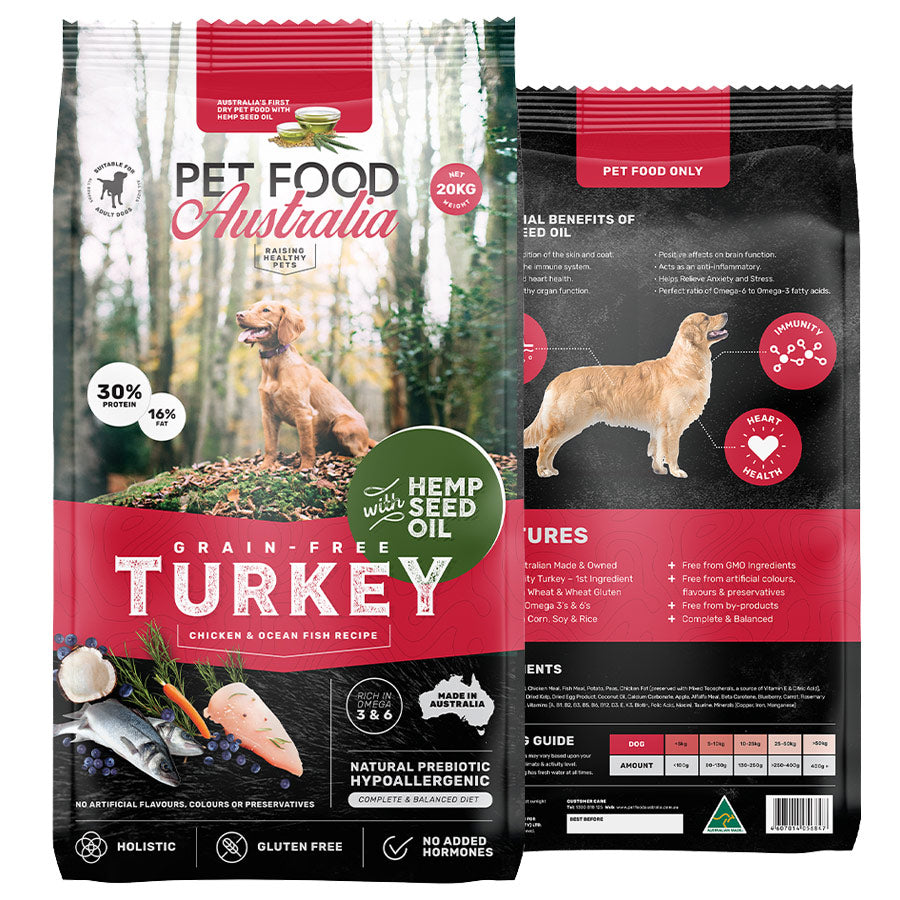
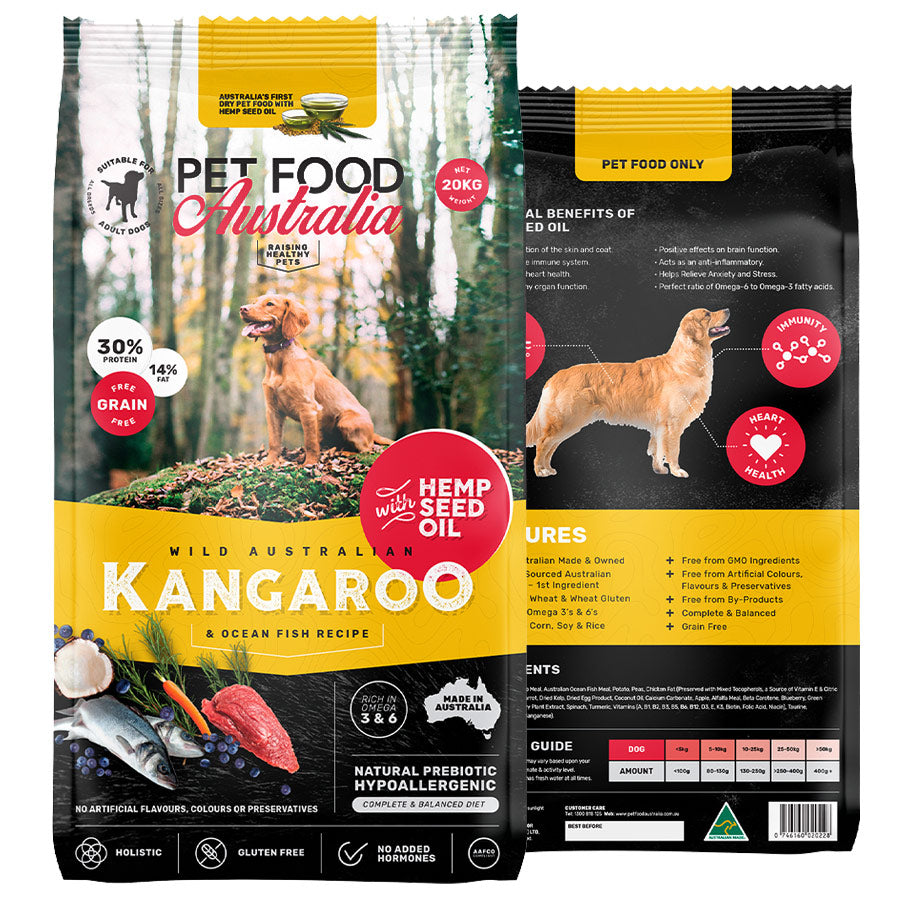
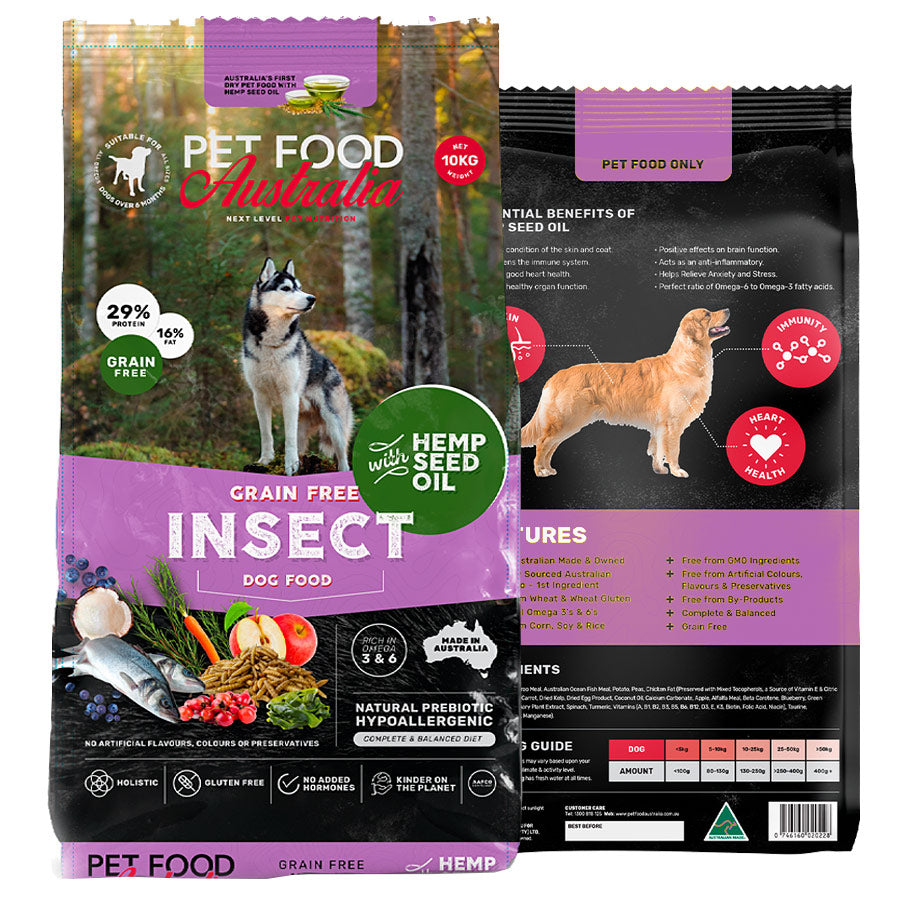
This is one reason Pet Food Australia developed a feeding and cost calculator that allows owners to compare estimated feeding amount, pack duration, subscription savings and daily feeding cost based on their dog's weight.
For owners trying to manage household costs, understanding the actual cost of feeding per day can be more useful than comparing bag prices alone.
Australian owners should never have to feel ashamed about asking what treatment costs
Pet ownership carries responsibility.
But that does not mean an owner who worries about a $3,000, $5,000 or $10,000 veterinary bill loves their animal any less.
These are substantial amounts of money for most Australian households.
Asking a veterinarian about expected costs, diagnostic options, treatment priorities and payment alternatives is reasonable.
Owners can also consider preparing for unexpected expenses through savings or appropriate pet insurance.
Moneysmart notes that pet insurance can help with illness or injury costs but encourages owners to understand exclusions, limits, excesses and what a policy actually covers before purchasing it.
The worst time to discover that treatment is financially impossible is during an emergency.
What we want for every pet
At Pet Food Australia, our position is simple.
We want pets to live long, comfortable and healthy lives.
Sometimes that requires excellent veterinary medicine.
Sometimes it means recognising a problem early.
And every single day, it means giving owners the information they need to make thoughtful decisions about the animals who depend on them.
Nutrition is one part of that responsibility.
It isn't magic.
It isn't a replacement for veterinary medicine.
But neither should it be treated as unimportant simply because its effects happen gradually, meal after meal, year after year.
We have spent decades caring for dogs.
If those years have taught us anything, it is that the animal in front of you is what matters most.
Not the advertising on the bag.
Not the latest trend.
Not one fashionable ingredient.
And not a promise that one product can solve every problem.
Look at the food.
Look at the animal.
Notice changes early.
Ask questions.
Use veterinary care when it is needed.
And do as much as possible, every day, to give them the healthiest life you can.
Because when a pet is genuinely part of the family, their wellbeing should never begin only when something goes wrong.