
How Much Does It Really Cost to Own a Dog in Australia?


Owning a dog in Australia can cost considerably more than the price of bringing one home.
Food, veterinary care, parasite prevention, grooming, insurance, training, boarding and even seemingly small purchases can add up to thousands of dollars every year.
According to the Australian Government’s Moneysmart website, based on the latest national pet ownership research, Australians should expect a dog to cost around $4,000 in the first year, with ongoing costs of up to approximately $2,520 per year after that.
But averages only tell part of the story.
A healthy dog that rarely requires veterinary treatment may cost considerably less than a dog requiring regular medication, specialist treatment, professional grooming or boarding.
So what does owning a dog in Australia really cost?
The short answer
For many Australian households, a reasonable starting budget is:
First year: around $4,000 or more
Following years: around $2,500 per year on average
That means even before allowing for major veterinary emergencies, a dog living for 12 years could easily represent tens of thousands of dollars in lifetime expenditure.
And some dogs will cost substantially more.
Australia now has around 7.4 million dogs, living in almost half of Australian households. Australians spent an estimated $13.2 billion on dogs alone in the 12 months covered by the latest Animal Medicines Australia survey.
The largest regular expense is usually food.
1. Dog food: around $1,214 per year on average
The latest national figures reported through Moneysmart put average spending on dog food and dietary supplements at around $1,214 per year.
That is roughly:
- $101 per month
- $23 per week
- $3.33 per day
But averages can be misleading.
A Chihuahua and a 45kg German Shepherd clearly do not eat the same amount of food.
Cost also depends on:
- the dog's weight
- feeding amount
- calorie density of the food
- pack size
- ingredient quality
- whether food is purchased in bulk
- subscription discounts
- delivery costs
- treats and supplements
This is why we believe cost per day is often a more useful way to compare dog food than simply looking at the price of the bag.
A $50 bag that lasts two weeks can actually cost more to feed than a $150 order that lasts several months.
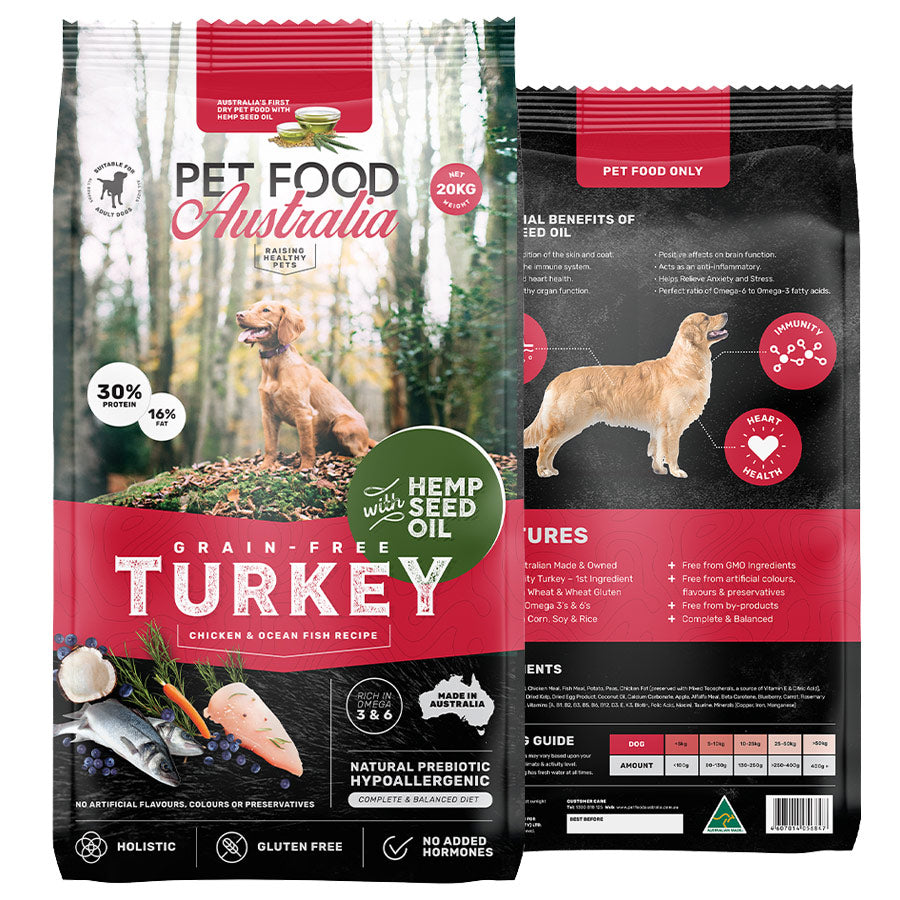
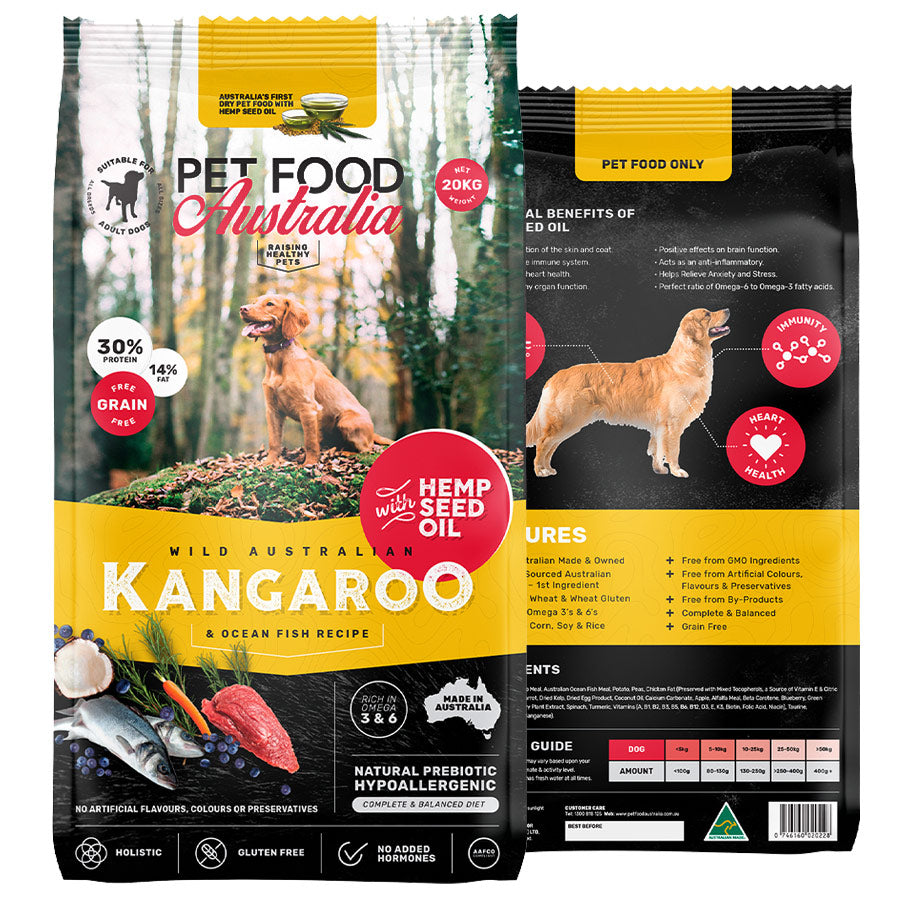
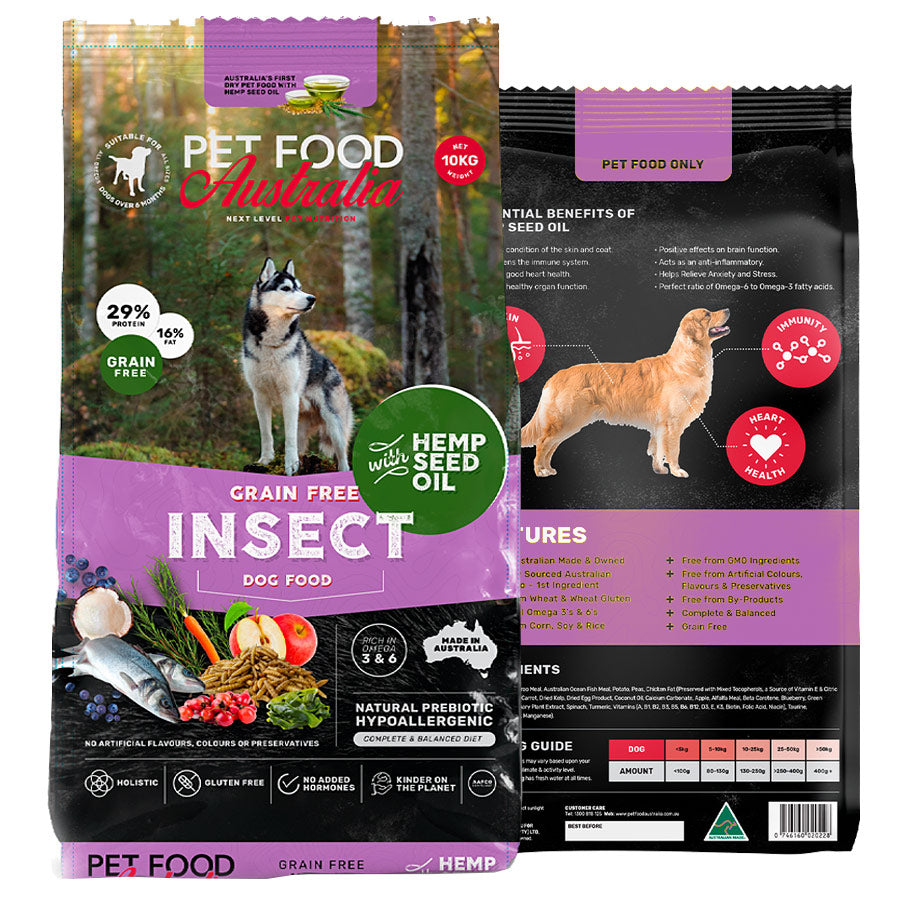
At Pet Food Australia, we built our feeding and cost calculator for exactly this reason: to help owners estimate how long different pack sizes will last based on their dog's weight and see the approximate daily feeding cost.
2. Veterinary care: the unpredictable expense
National survey figures put average spending on veterinary services, medicines and other healthcare for dogs at around $354 per year.
However, this is one category where an average can give a false sense of security.
A dog may need little more than a routine examination and vaccination one year, then require thousands of dollars of treatment the next.
Australian councils warn prospective owners that unexpected veterinary bills can reach $1,000 to $5,000 or more.
Modern veterinary medicine can now offer advanced imaging, specialist surgery, cancer treatment and intensive care that would not have been available to pets decades ago.
Those advances are enormously valuable.
They are also expensive.
This is one reason we believe responsible pet ownership includes thinking about health before an emergency happens.
That does not mean every illness can be prevented through food or lifestyle.
It means doing the things we can control well: appropriate nutrition, healthy body weight, exercise, parasite control, dental care and recognising changes early.
3. Pet insurance: potentially more than $1,000 a year
Pet insurance is optional, but for owners who choose it, premiums can become a significant part of the household budget.
Canstar's 2026 research found average annual accident-and-illness premiums of approximately:
- $1,358 for a small dog
- $1,374 for a medium dog
- $1,461 for a large dog
Policies that also include routine-care benefits can cost more again.
Breed, age, level of cover, excess and individual insurer all influence the price.
Insurance can help reduce exposure to a large unexpected veterinary bill, but it is important to read the policy carefully.
Exclusions, annual limits, waiting periods, excesses and pre-existing-condition rules can make two policies that look similar quite different in practice.
Some owners instead choose to build a dedicated emergency savings fund.
Neither approach removes the possibility of a large bill, but having a plan before an emergency occurs is far easier than trying to find thousands of dollars during one.
4. Flea, tick and worm prevention
The latest national expenditure data puts average spending on flea, worm and tick treatments for dogs at around $122 per year.
Actual costs can vary considerably depending on:
- the dog's size
- product used
- where in Australia the dog lives
- tick risk
- heartworm prevention
- treatment frequency
Some Australian council guidance suggests flea and tick prevention alone may cost $200–$400 per year, with heartworm prevention potentially adding further expense.
For owners of large dogs, these products can cost significantly more because dosing is usually weight-based.
5. Grooming
Not every dog requires professional grooming.
A short-coated Labrador may need little more than bathing, nail trimming and brushing at home.
A Poodle, Cavoodle or other continuously growing coat may require professional grooming throughout its life.
National expenditure data groups grooming, training and memberships together at an average of approximately $353 annually for dog owners.
Individual grooming sessions can range considerably depending on breed, coat condition, dog size and location.
This is one of the costs prospective owners often underestimate when choosing a breed.
6. Registration, microchipping and desexing
The first year usually costs more because many expenses happen only once.
These can include:
- microchipping
- desexing
- council registration
- bedding
- bowls
- collar and lead
- crate
- toys
- initial vaccinations
As one current NSW council example, estimated costs include approximately $60–$80 for microchipping and $200–$500 for desexing, before purchase or adoption costs. Registration fees vary depending on state, council and whether the animal is desexed.
Adopting from a rescue or shelter can sometimes reduce these initial expenses because desexing, vaccination and microchipping may already be included.
What is the biggest cost of owning a dog?
On an everyday basis, food is generally the largest recurring expense.
Nationally, Australians spend more money on pet food than any other pet-related category.
Animal Medicines Australia estimates Australians spent approximately $9.8 billion on pet food across all pet types, representing around 46% of total pet expenditure.
For dogs specifically, however, one unexpected veterinary event can quickly exceed an entire year's food budget.
That is why the true cost of dog ownership is not simply:
food + vaccinations + toys.
Owners also need to allow for the unexpected.
Is owning a dog becoming more expensive?
For many households, yes.
Australians now spend an estimated $21.3 billion per year caring for pets, compared with a revised $15.7 billion in the comparable 2022 figures. Dog-owning households account for approximately $13.2 billion of that expenditure.
Pet insurance costs have also been rising.
Recent Canstar research reported significant increases in average dog insurance premiums between 2025 and 2026.
At the same time, pets are increasingly treated as members of the family.
Owners have access to better food, diagnostics, medicines, specialist veterinary care and services than previous generations.
The opportunity to provide better care is increasing.
So is the financial commitment.
The cost is more than financial
After nearly three decades of hands-on experience with dogs through rescue and pet care, one thing has always been clear to us:
Owning a dog is a commitment, not a purchase.
The financial cost matters because that dog depends on its owner for potentially 10, 12, 15 years or longer.
Before choosing a dog, it is worth asking not only:
“Can I afford the dog today?”
but:
“Can I comfortably care for this dog throughout its life?”
That means considering the normal everyday costs — and having some kind of plan for the day when something unexpected happens.
In Part 2, we'll look at what a dog can realistically cost over an entire lifetime, where owners often overspend, where cutting costs can backfire, and practical ways to reduce the cost of ownership without compromising the dog's wellbeing.

How Much Does It Really Cost to Own a Dog in Australia? – Part 2
In Part 1, we looked at the obvious expenses of owning a dog in Australia: food, veterinary care, insurance, parasite prevention, grooming and the upfront costs of bringing a dog home.
But the more useful question for most owners is not:
“What does a dog cost this year?”
It is:
“What will my dog realistically cost over their lifetime — and where can I save money without compromising their health?”
That is where the numbers become more meaningful.
How much does a dog cost over its lifetime?
If ongoing ownership costs average around $2,500 per year, even a simple calculation shows how quickly lifetime costs accumulate.
A dog living:
- 10 years could cost around $25,000 after the first year
- 12 years could cost around $30,000
- 15 years could cost around $37,500
Then add the higher first-year costs, unexpected veterinary treatment, boarding, emergency care, specialist treatment or chronic medication.
For many Australian households, the true lifetime cost of a dog can comfortably reach $30,000–$50,000 or more.
For some dogs, particularly those requiring substantial veterinary care, it can be considerably higher.
That does not make dog ownership a bad financial decision.
Most dog owners would probably say the companionship is worth far more than the money spent.
But understanding the real cost helps people plan properly.
The biggest mistake: focusing only on the price of the bag
Food is one of the largest predictable costs of owning a dog.
Yet it is also one of the most commonly misunderstood.
Customers naturally compare:
$40 bag versus $100 bag versus $200 bag.
But that doesn't tell you the real feeding cost.
A better comparison is:
How much does it cost to feed my particular dog per day?
The answer depends on:
- the dog's weight
- feeding amount
- pack size
- price per kilogram
- how long the pack lasts
- delivery charges
- subscription discounts
- whether buying a larger quantity changes the economics
A small dog may make a large bag last for months.
A 40kg dog can consume the same bag dramatically faster.
This is why Pet Food Australia built its Dog Food Cost & Feeding Calculator.
Rather than forcing owners to do the maths themselves, the calculator allows them to enter their dog's weight and compare feeding amounts, pack duration, cost per day, subscription pricing and different pack sizes.
You can use the calculator here:
Pet Food Australia Dog Food Cost & Feeding Calculator
https://www.petfoodaustralia.com.au/pages/dog-food-cost-per-day-feeding-calculator
For budgeting, that number — cost per day — is far more useful than the price printed on the front of the bag.
Buying larger can sometimes cost less
A larger purchase can feel more expensive because the checkout total is higher.
But the opposite can be true when calculated over time.
Larger packs or multi-bag bundles may:
- reduce the cost per kilogram
- spread freight over more food
- qualify for free shipping
- reduce how often you reorder
- combine with subscription savings where available
That doesn't mean everybody should automatically buy the largest option.
Food still needs to be stored properly, and the customer's cash flow matters.
But if you know your dog eats the food consistently, comparing larger quantities can make a significant difference over a year.
Even saving 50 cents per day equals approximately:
$182.50 per year.
Saving $1 per day becomes:
$365 per year.
Across a dog's lifetime, relatively small everyday savings become substantial.
Where dog owners can sensibly save money
There are several areas where owners can reduce costs without reducing care.
1. Calculate feeding rather than guessing
Overfeeding costs money twice.
First, you buy more food than the dog needs.
Second, excess body weight can create additional health challenges.
Use the recommended feeding amount as a starting point, then adjust according to the dog's:
- body condition
- activity
- age
- metabolism
- treats
- weight trend
The goal is not to feed the smallest amount possible.
It is to feed the appropriate amount.
2. Compare cost per day, not bag price
This is particularly important when comparing premium foods.
A cheaper bag is not automatically cheaper to feed.
Likewise, a more expensive bag is not automatically better value.
Work out:
total cost ÷ number of feeding days
That gives you the number that matters.
3. Buy repeat-use products strategically
Items such as:
- food
- parasite treatments
- poo bags
- grooming products
- supplements
are often cheaper when purchased sensibly in larger quantities.
But bulk buying only saves money if the product will actually be used before it deteriorates or expires.
4. Maintain a healthy weight
Maintaining appropriate body condition is one of the simplest things an owner can influence.
It does not guarantee a dog will avoid illness.
But keeping excess weight off reduces unnecessary mechanical stress and prevents owners from paying to feed calories the dog does not require.
5. Create an emergency fund
Even owners with pet insurance may face:
- excesses
- excluded conditions
- treatment above policy limits
- non-covered procedures
A dedicated pet emergency fund can reduce the financial shock of an unexpected veterinary bill.
Even putting aside:
$20 per week = $1,040 per year
can create a useful buffer over time.
Where cutting costs can backfire
There are also areas where choosing the cheapest possible option may create problems later.
Delaying veterinary treatment
If something clearly isn't right, delaying treatment solely to avoid the consultation fee can sometimes allow a manageable problem to become more serious.
Early investigation is not always cheaper, but sometimes it can be.
More importantly, it can reduce unnecessary suffering.
Buying food purely on price
A dog food should first provide appropriate complete and balanced nutrition.
After that, the owner should consider how well the individual dog actually does on it.
If changing to the cheapest possible food results in poor stools, excessive feeding amounts, poor appetite or repeated switching between products, the apparent saving may disappear quickly.
Ignoring dental health
Dental problems can progress quietly.
Regular tooth care at home and veterinary dental checks may help identify problems before they become more significant.
Choosing the wrong dog for your lifestyle
This is one of the biggest hidden financial decisions.
Different dogs can have very different lifetime costs.
A dog requiring frequent professional grooming may cost significantly more than a short-coated breed.
A very large dog generally requires:
- more food
- larger doses of weight-based medication
- larger beds and equipment
- potentially higher boarding costs
Breed-related health risks can also influence insurance and veterinary costs.
Choosing a dog based only on appearance without considering its long-term needs can create avoidable financial pressure.
Is premium dog food worth it?
There is no useful answer based on the word premium alone.
“Premium” is a marketing term.
What matters is the formulation and how the dog responds to it.
Owners should look at:
- whether the food is complete and balanced
- protein sources
- fat level
- calorie density
- feeding amount
- ingredient suitability
- digestibility
- body condition
- stools
- skin and coat
- appetite
- cost per day
At Pet Food Australia, we believe the dog eating the food is ultimately the most important measure.
A beautiful ingredient list means very little if the dog is not thriving on it.
Likewise, a cheap food is not automatically poor simply because it is inexpensive.
The useful question is:
“What am I paying per day, and what am I getting for that money?”
Food is one of the most controllable lifetime costs
Veterinary emergencies are difficult to predict.
Food is much easier.
You generally know:
- how much your dog weighs
- approximately how much they eat
- what the food costs
- how frequently you reorder
That makes food one of the easiest areas of pet ownership to budget accurately.
Using a feeding calculator can turn a vague monthly expense into a predictable number.
For example:
Dog weight → estimated grams per day → pack duration → cost per day → annual feeding cost
That is far more useful than simply thinking:
“This bag costs $200.”
If that $200 order lasts several months, the daily cost may be much lower than the headline price suggests.
What should you budget for a dog each month?
Using the national annual estimate of roughly $2,500 in ongoing costs gives a broad starting point of around:
$200–$220 per month.
But that should not be treated as a maximum.
An owner may need to budget more if their dog:
- is large
- requires premium or specialist food
- needs regular grooming
- attends daycare
- requires medication
- is insured
- needs boarding
- develops chronic health conditions
A more realistic household approach is to separate costs into two categories.
Predictable costs
Food
Parasite prevention
Insurance
Grooming
Registration
Routine veterinary care
Unexpected costs
Emergency veterinary care
Surgery
Specialist consultations
Medication
Injury
Unexpected boarding
Budgeting for both produces a much more realistic picture of dog ownership.
The cheapest dog is the one you can properly care for
After decades working hands-on with dogs through rescue, boarding and pet care, we have seen what happens when people underestimate the commitment.
Most owners do not intentionally neglect an animal.
Sometimes circumstances simply change.
That is why thinking about lifetime cost before choosing a dog is so important.
The goal should not be to spend as much money as possible.
Nor should responsible ownership become a competition over who buys the most expensive food, toys or accessories.
The goal is much simpler:
Provide what the dog genuinely needs, avoid unnecessary spending, plan for the unexpected and make decisions that support their wellbeing throughout their life.
A dog does not care what its bed cost.
It does not care whether its bowl came from a designer store.
It does care whether it is fed properly, comfortable, exercised, loved and looked after when something goes wrong.
That is where the money matters.
The bottom line
Owning a dog in Australia is a significant financial commitment.
Over an entire lifetime, the cost can easily reach tens of thousands of dollars.
But owners have more control over some of those expenses than they may realise.
Calculate food by cost per day.
Buy appropriate quantities.
Avoid chronic overfeeding.
Plan for veterinary emergencies.
Spend money where it genuinely improves the dog's life.
And don't confuse expensive with better — or cheap with good value.
The best financial decisions are usually the ones that work for both the household and the dog.
For owners wanting to understand one of their biggest recurring expenses, Pet Food Australia's Dog Food Cost & Feeding Calculator can estimate feeding amount, pack duration and daily cost based on the dog's weight:
https://www.petfoodaustralia.com.au/pages/dog-food-cost-per-day-feeding-calculator