Is "Premium" Pet Food Actually Premium?


Walk into any pet store today and you’ll notice something immediately.
Almost everything is labelled premium.
Premium ingredients.
Premium nutrition.
Premium quality.
At first glance, it feels reassuring.
But there’s a question more pet owners are starting to ask:
What does “premium” actually mean?
A Word Without a Clear Standard

Unlike some regulated claims in food, the term “premium” in pet food isn’t strictly defined.
Which means brands are free to use it — regardless of:
-
Ingredient quality
-
Processing methods
-
Nutritional outcomes
And that creates a problem.
Because the word suggests a level of quality that isn’t always there.
When Perception and Reality Don’t Align
It’s entirely possible for a product to be positioned as premium while still containing:
-
Lower-grade protein sources
-
Highly processed ingredients
-
Additives used to enhance shelf life or appearance
None of these necessarily make a product unsafe.
But they do raise an important point:
“Premium” doesn’t automatically mean optimal. Let that sink in!
The Price Illusion
 One of the reasons this persists is because price often reinforces perception.
If something costs more, we assume it must be better.
But in pet food, pricing can reflect:
-
Branding
-
Packaging
-
Distribution
-
Marketing spend
not just formulation quality.
A Shift in Consumer Awareness
More (not enough) pet owners are beginning to look beyond labels.
Instead of asking:
“Is this premium?”
They’re asking:
-
Where do these ingredients come from?
-
How digestible is this food?
-
What does this actually do for my pet over time?
This shift is subtle — but significant.
What Actually Defines Quality

When you strip away the marketing language, quality in pet food comes down to a few key things:
-
Ingredient integrity
-
Nutrient bioavailability
-
Digestibility
-
Functional benefits
These are the factors that influence how a pet actually responds to their food — not what’s printed on the front of the bag.
Why This Matters More Than Ever
As pets live longer and owners become more invested in their wellbeing, expectations are rising.
People aren’t just looking for food that:
-
Meets minimum standards
-
Keeps pets full
They’re looking for food that:
-
Supports long-term health
-
Reduces common issues
-
Helps pets truly thrive
Moving Beyond Labels

This is where a new category of thinking is emerging.
Less focus on marketing terms.
More focus on formulation.
You’ll start to see products that prioritise:
-
Grain-free recipes designed for digestibility
-
Clearly sourced ingredients
-
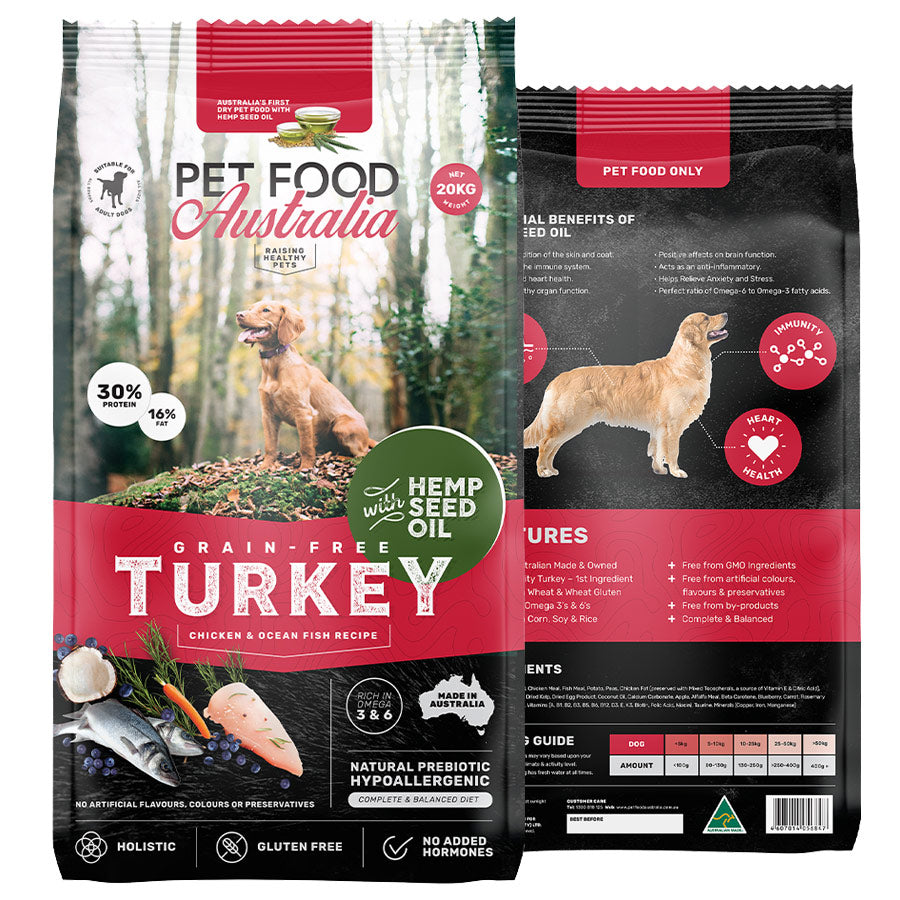
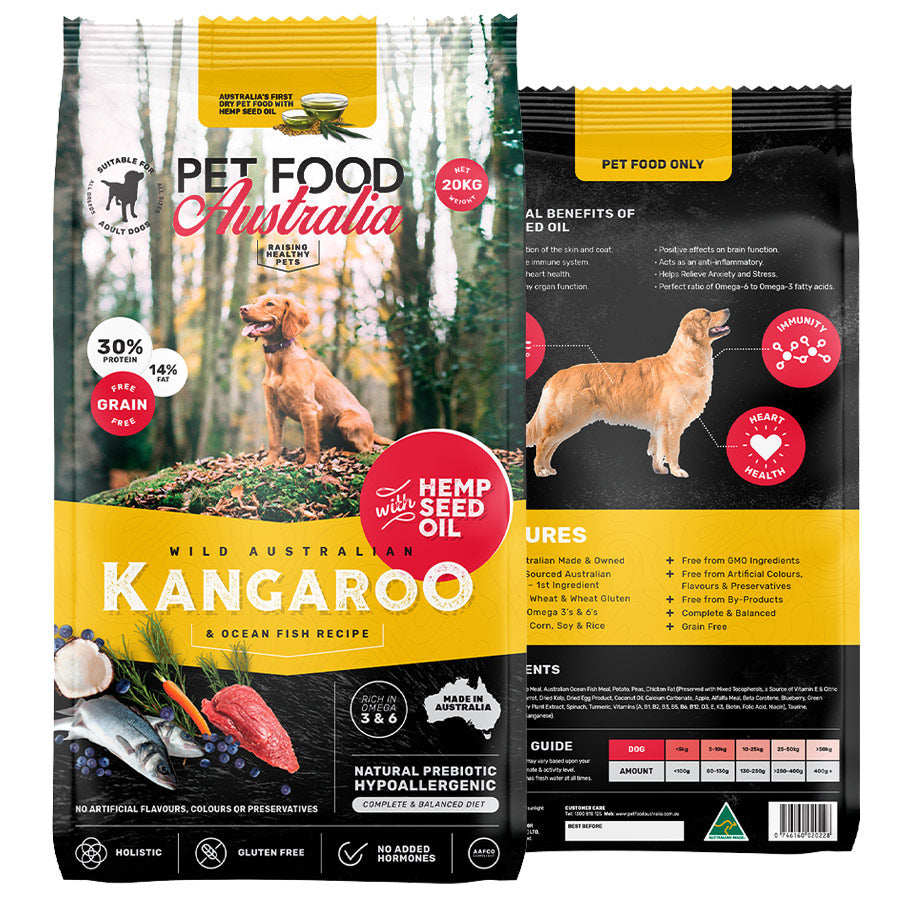
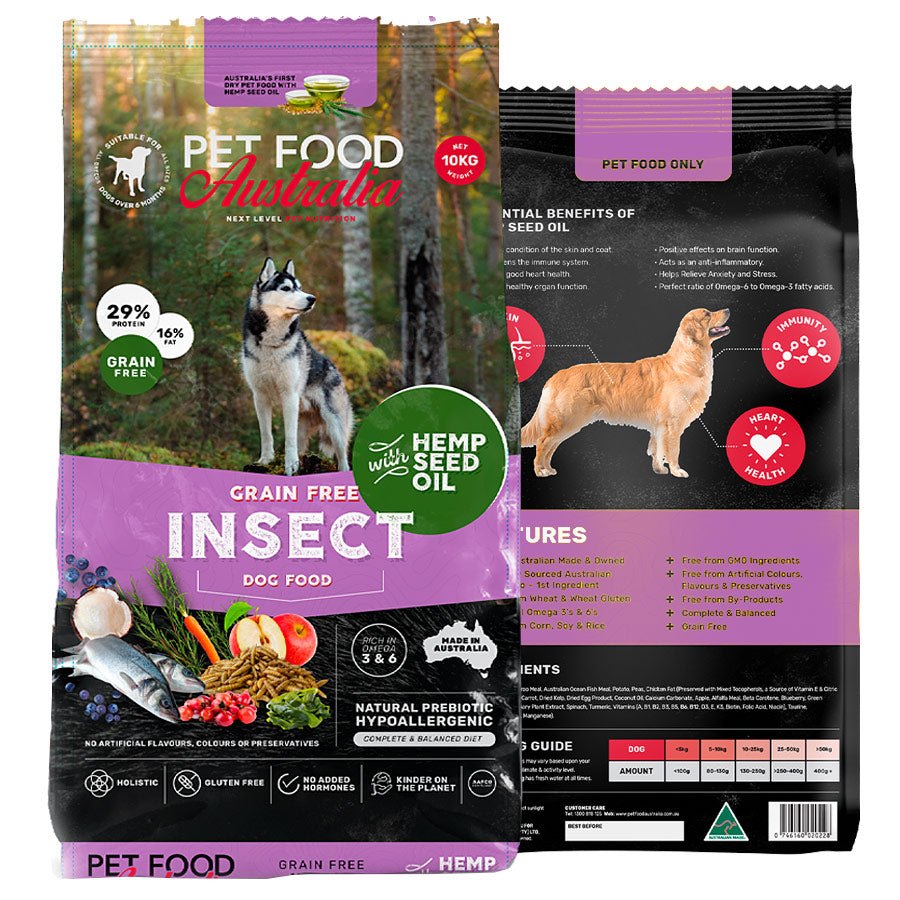
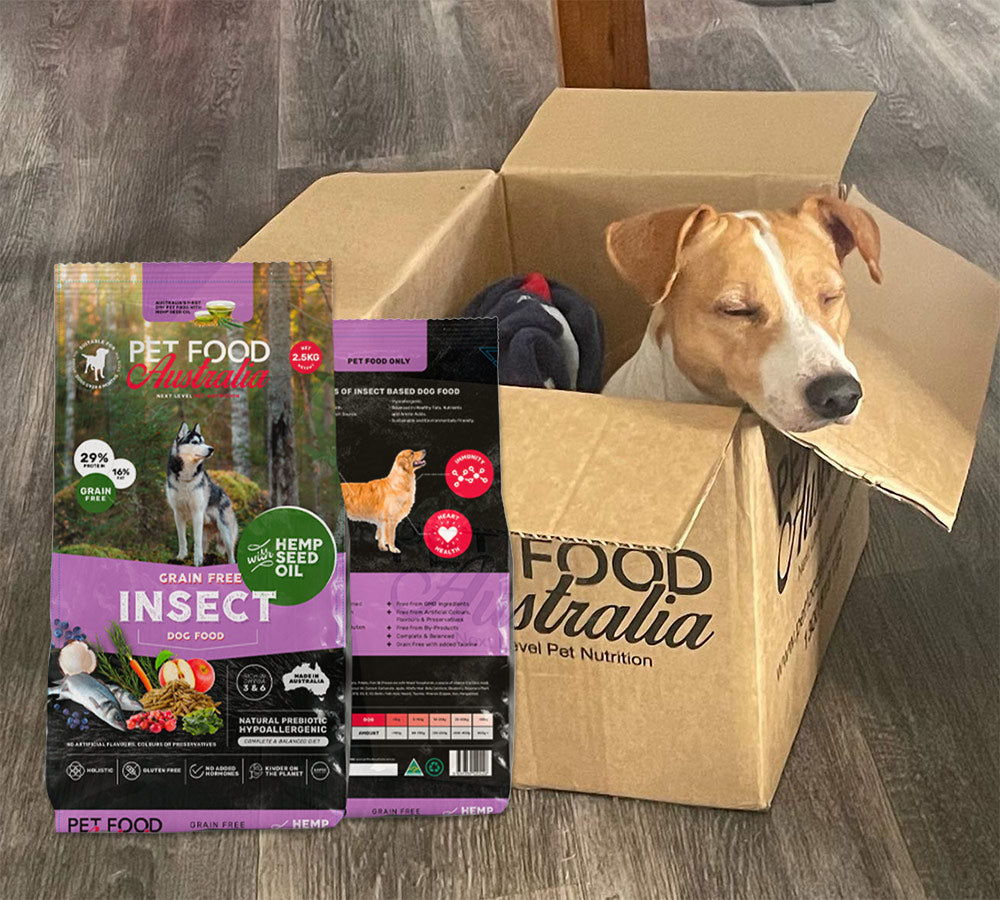
Functional inclusions like hemp seed oil for skin and coat support
-
Clean standards such as GMO-free and gluten-free formulations
Not because it sounds better —
but because it performs better.
The Takeaway
“Premium” isn’t meaningless.
But it’s incomplete.
And relying on it alone can lead to decisions that don’t fully support your pet’s health.
A Better Question to Ask

Instead of asking:
“Is this premium?”
Try asking:
“Will this actually improve my pet’s wellbeing over time?”
Because that’s where real quality shows.
👉 If you want to see what a more modern approach to pet food looks like, you can explore it here.