
How Poor Nutrition Can Lead to Chronic Health Issues in Pets


As pet owners, we want nothing but the best for our furry companions. We ensure they receive an abundance of love, exercise, and regular vet check-ups. However, one of the most critical aspects of a pet's well-being is often overlooked: proper nutrition.
As pet parents, we hold the key to preventing chronic health issues in our pets. Just as poor nutrition can lead to various chronic health issues in humans, it can also have devastating effects on our beloved furry children. But with our understanding and proactive measures, we can make a significant difference.
In this blog, we'll explore how poor nutrition can lead to chronic health problems in pets. But more importantly, we'll show you, as a responsible pet owner, that these issues are not inevitable. With the right knowledge and actions, you can prevent these issues and ensure your pet's well-being.
Understanding the Role of Nutrition in Pet Health

Nutrition is the foundation of your pet's overall health. A well-balanced diet provides the essential nutrients, vitamins, and minerals your pet needs to thrive. It's also important to ensure your pet has access to clean, fresh water at all times, as proper hydration is a key part of their nutrition. When these nutritional and hydration needs are not met, your pet may develop chronic health issues that can significantly affect their quality of life.
Common Chronic Health Issues Caused by Poor Nutrition

Obesity and Related Conditions
What is it? Obesity is one of the most common health problems caused by poor nutrition. Feeding pets calorie-dense, nutrient-poor foods can lead to excessive weight gain. Obesity, in turn, increases the risk of developing other chronic conditions such as diabetes, heart disease, and joint problems.
Prevention:
-
Balanced Diet: Ensure your pet's diet is balanced and appropriate for their age, size, and activity level.
-
Portion Control: Avoid overfeeding and stick to recommended portion sizes.
-
Regular Exercise: Encourage regular physical activity to help maintain a healthy weight.
Dental Disease
What is it? Poor nutrition can contribute to dental problems such as plaque buildup, gum disease, and tooth decay. Feeding pets foods high in sugars and lacking in essential nutrients can lead to chronic dental issues that may require frequent veterinary care.
Prevention:
-
Dental Care: Include dental chews and toys in your pet's routine to promote oral health.
-
Quality Diet: Choose foods that are low in sugar and contain nutrients that support dental health, such as calcium and phosphorus.
Tip: Try to avoid feeding your pets dinner scraps and leftovers, as it can be a tipping point for their diets. Just don't make eye contact as you're disposing of the scraps, or you'll suffer the heartbreak that is the 'puppy eyes.'
Digestive Problems
What is it? A diet lacking fibre and other essential nutrients can lead to chronic digestive issues such as constipation, diarrhea, and inflammatory bowel disease. Processed foods with low-quality ingredients can disrupt your pet's digestive system and lead to long-term problems.
Prevention:
-
High-Quality Diet: Opt for a diet that includes natural ingredients and adequate fibre to support digestive health.
-
Probiotics: Consider adding probiotics to your pet's diet to promote healthy gut flora.
Skin and Coat Issues
What is it? Poor nutrition often manifests in your pet's skin and coat condition. A diet deficient in essential fatty acids, vitamins, and minerals can result in dry, flaky skin, excessive shedding, and a dull coat. Over time, these issues can develop into chronic skin conditions.
Prevention:
-
Omega-3 and Omega-6 Fatty Acids: These essential fatty acids play a crucial role in promoting healthy skin and a shiny coat. Ensure your pet's diet includes these nutrients to keep their skin and coat in top condition.
-
Vitamins and Minerals: Provide a balanced diet rich in vitamins and minerals that support skin health.
Joint and Mobility Issues
What is it? Over time, poor nutrition can contribute to joint and mobility issues, particularly in aging pets. Diets lacking essential nutrients such as glucosamine, chondroitin, and omega-3 fatty acids can lead to chronic joint pain and arthritis.
Prevention:
-
Joint-supportive diet: Include foods or supplements that contain glucosamine, chondroitin, and omega-3 fatty acids to support joint health.
-
Weight Management: Maintaining a healthy weight reduces stress on your pet's joints.
How to Ensure Your Pet Gets the Nutrition They Need

Choose High-Quality Pet Food
Invest in high-quality pet food that provides balanced nutrition tailored to your pet's specific needs. Look for products with natural ingredients, and avoid those with fillers, artificial additives, and by-products.
Avoid Overfeeding
Overfeeding can lead to obesity and related health problems. Stick to the recommended portion sizes and avoid giving your pet too many treats or table scraps.
Consult A Pet Food Professional
A professional in the industry can offer personalised dietary recommendations based on your pet's age, breed, and health status.
Regular Vet Check-Ups
Regular check-ups can help catch nutritional deficiencies early before they develop into chronic health issues. They are also crucial in managing any existing chronic conditions, ensuring your pet's health is always in good hands. By staying proactive and vigilant, you can ensure your pet's health is always in good hands.
Poor nutrition can have far-reaching effects on your pet's health, leading to chronic conditions that can diminish their quality of life. However, providing a balanced, nutrient-rich diet can help prevent many of these issues and ensure your pet lives a long, healthy, and happy life. Remember, balanced nutrition is the key to your pet's well-being.
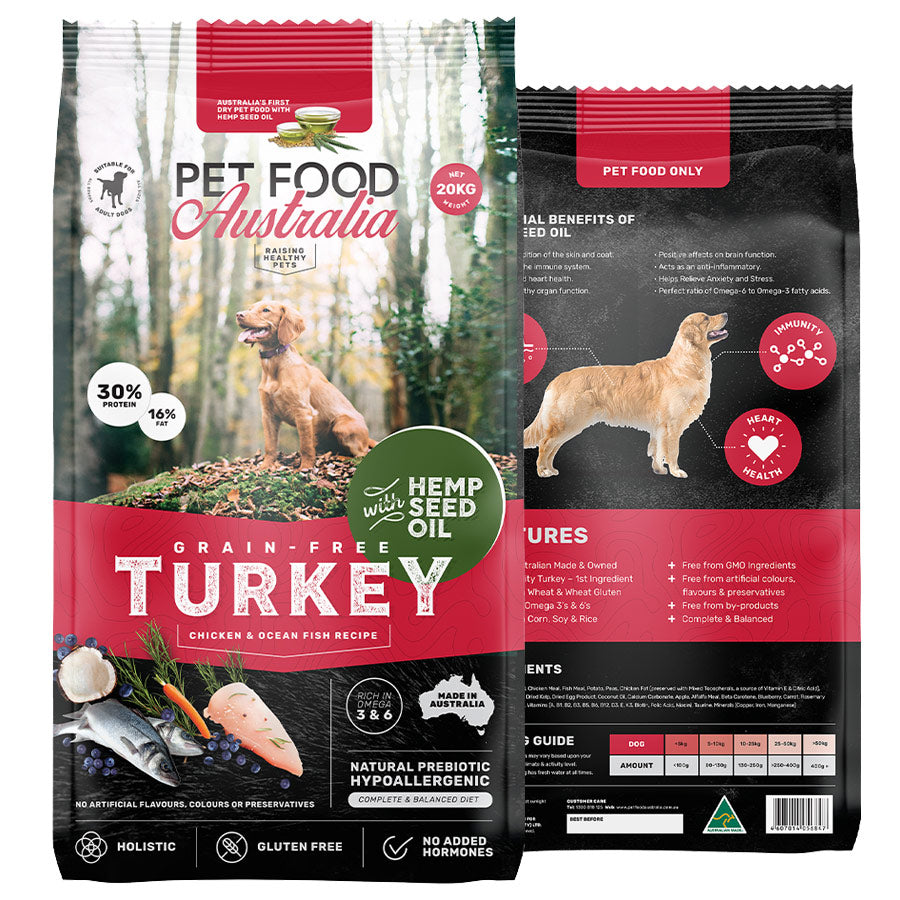
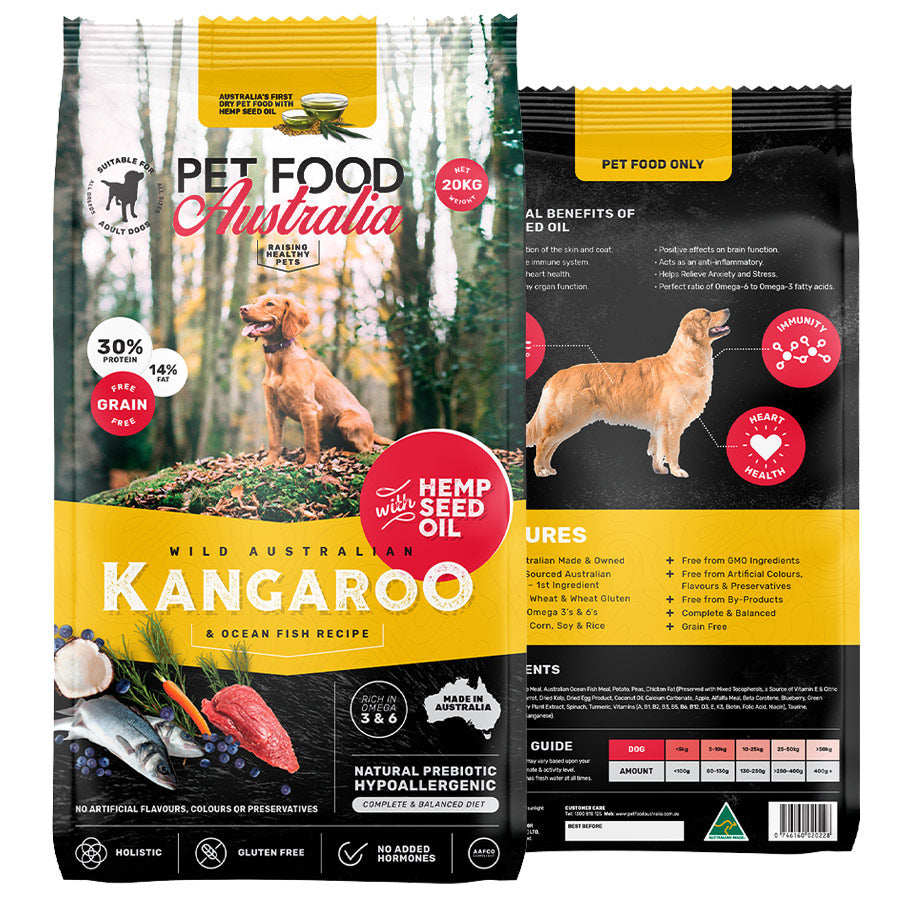
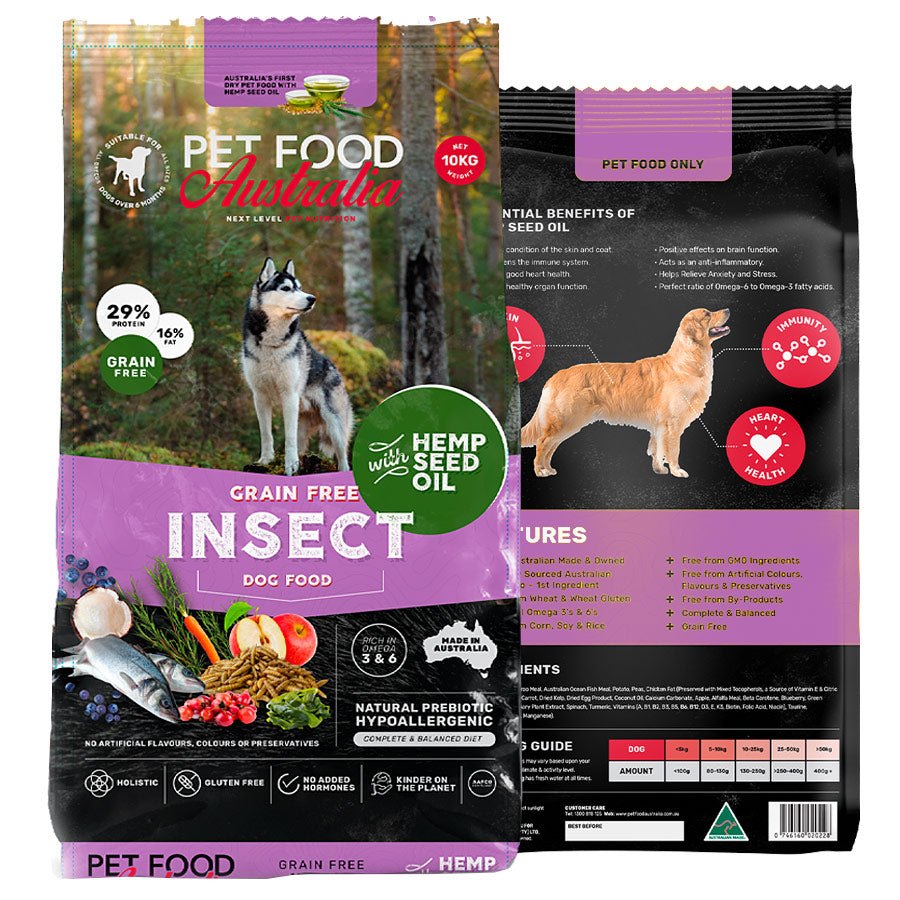
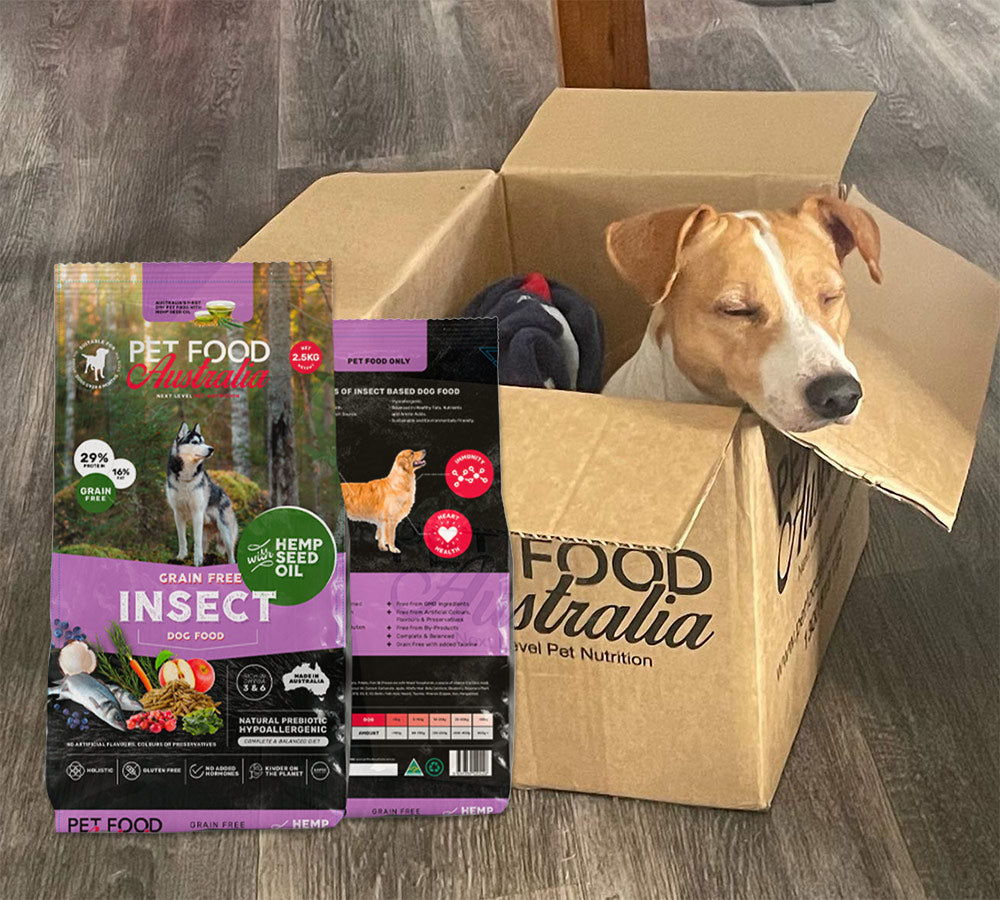
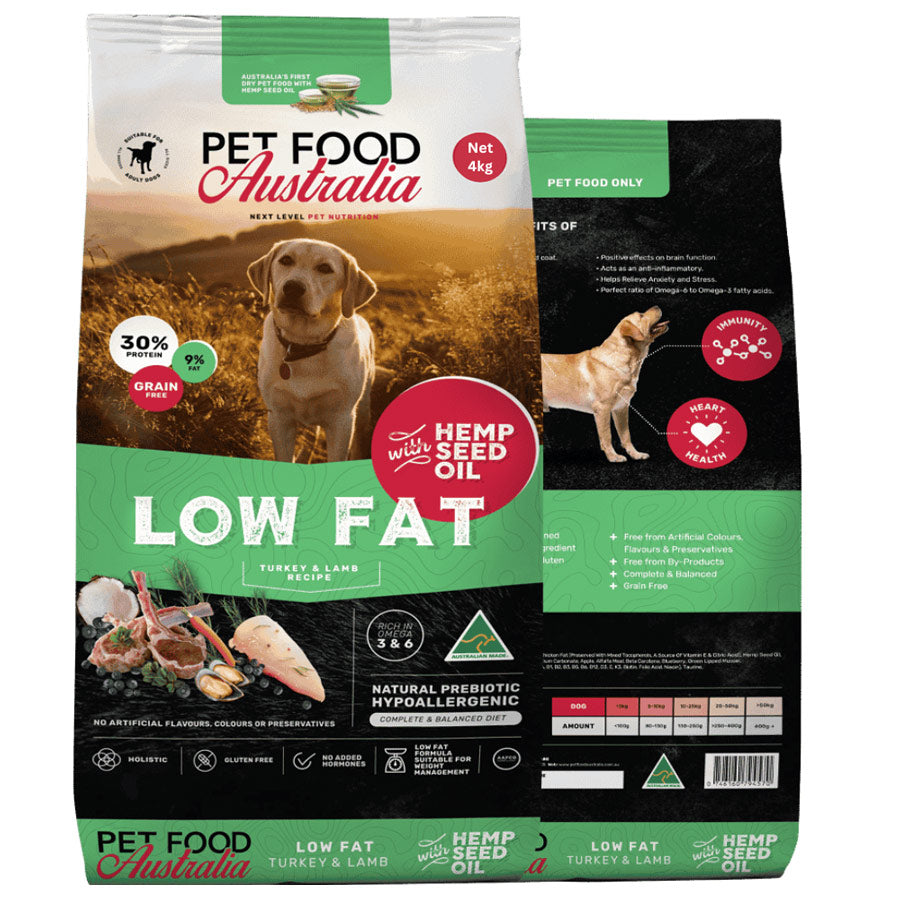
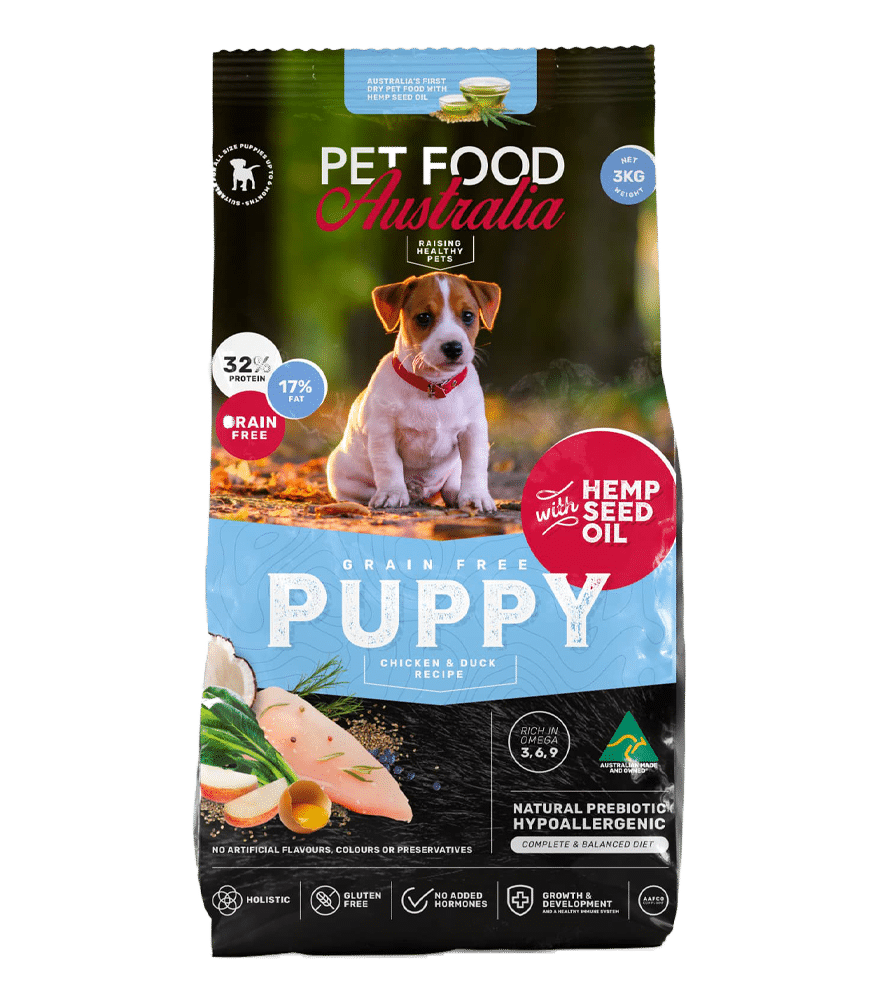
At Pet Food Australia, we are committed to offering high-quality pet food that supports your pet's overall well-being. Our products are designed to meet your pet's nutritional needs, helping prevent chronic health problems and promote long-term health.