Are You Feeding the Right Amount?


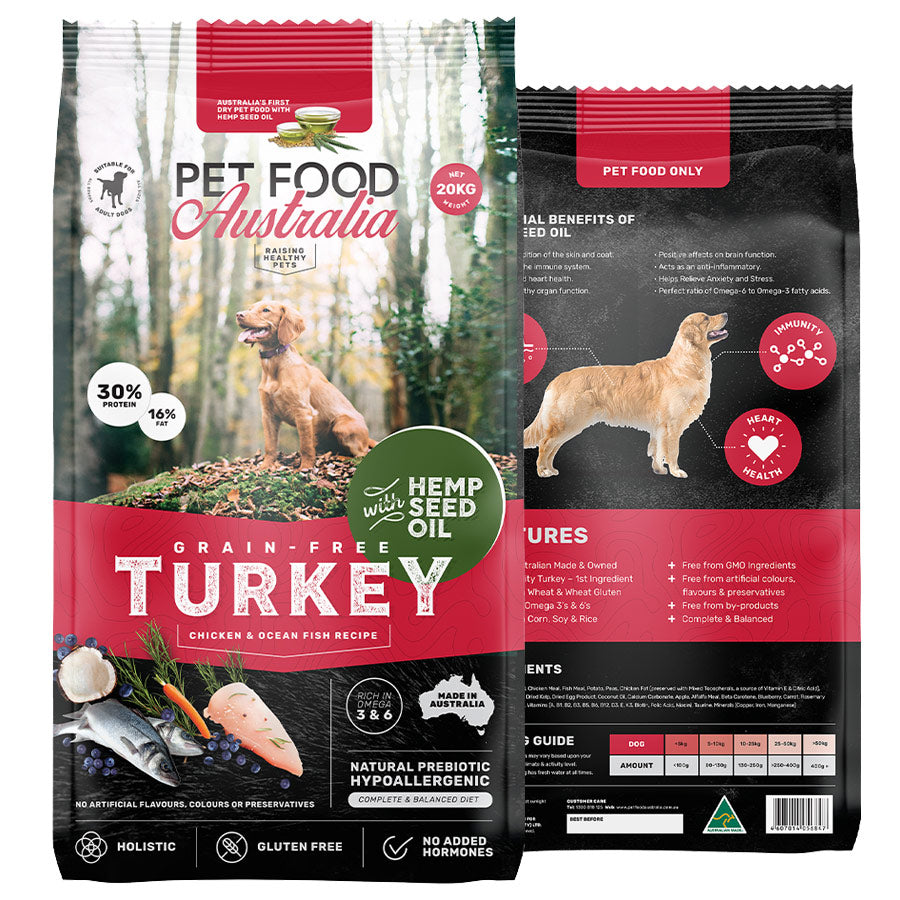
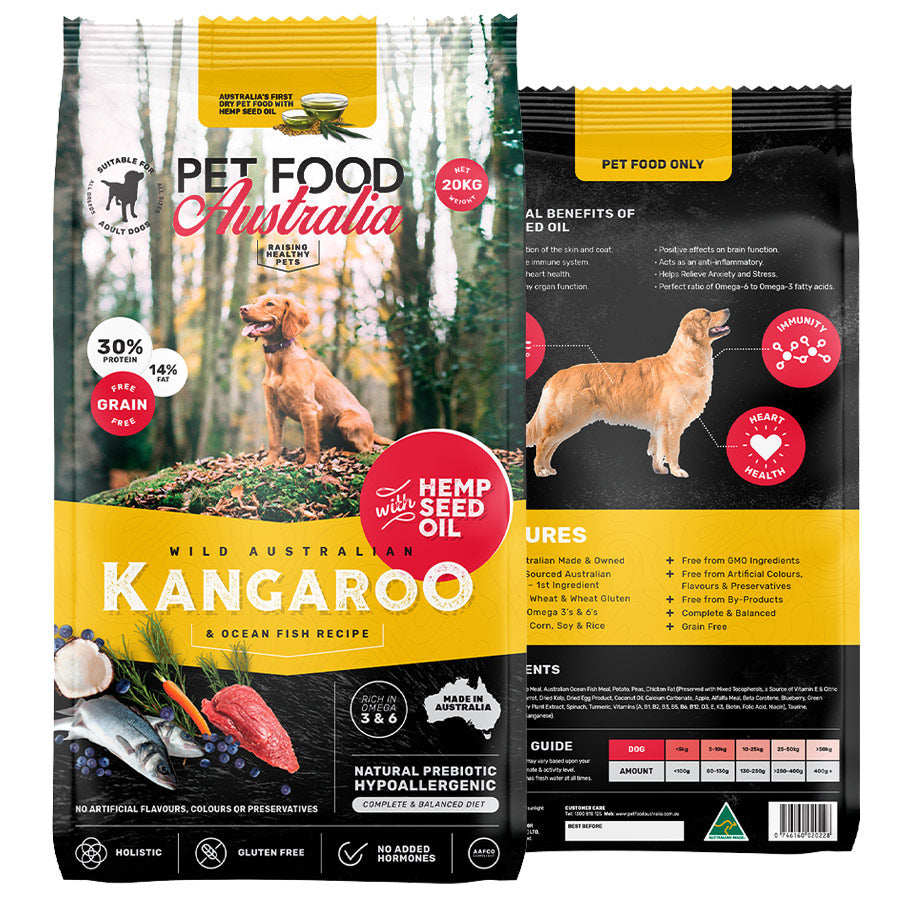
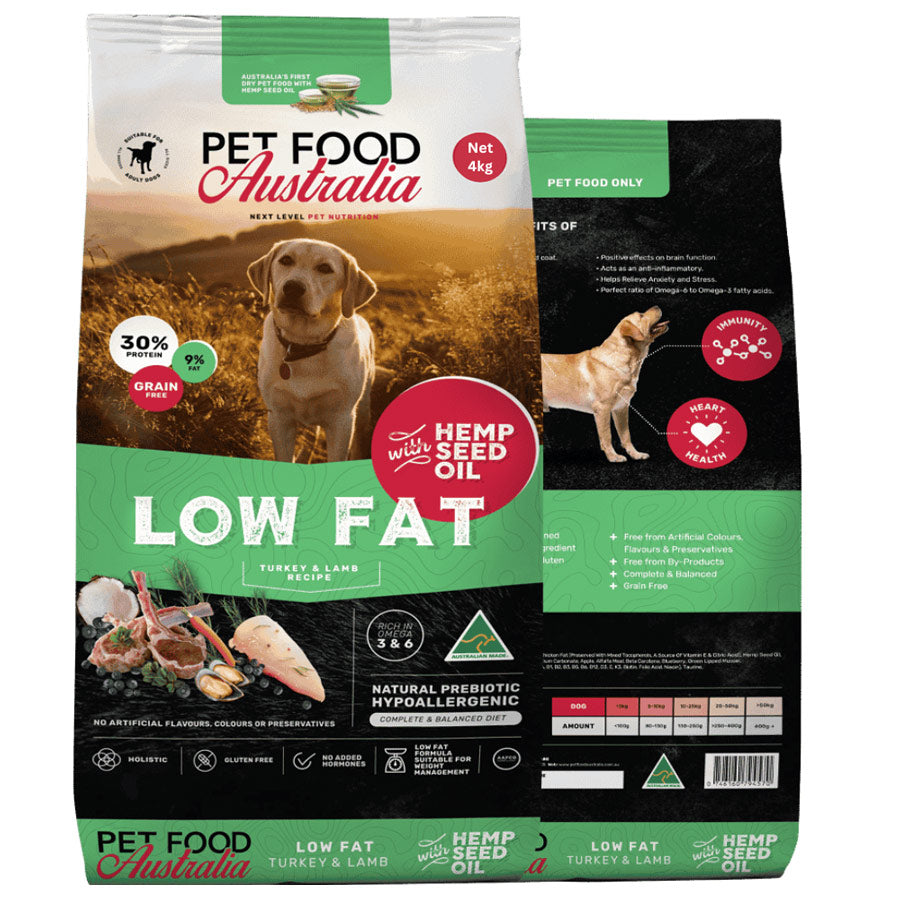
Most dog owners have looked at the feeding guide on the back of a bag and wondered:
Is this actually the right amount for my dog?
The short answer is: it is a starting point.
Feeding guides can be useful, but they cannot account for every difference between dogs.
Two dogs can weigh exactly the same and still need very different amounts of food.
Weight Alone Does Not Tell the Whole Story
A feeding guide is usually based on body weight.
But your dog’s actual needs can also be influenced by:
- Age.
- Activity level.
- Body condition.
- Breed.
- Neutering status.
- Metabolism.
- Health.
- Treat intake.
- The energy density of the food itself.
A 25kg working dog that spends hours exercising may need significantly more energy than a 25kg dog with a quiet lifestyle.
That is why the number on the bag should not be treated as a fixed rule.
The Dog in Front of You Matters Most
One of the most useful things an owner can learn is how to assess body condition.
You should generally be able to feel your dog’s ribs without having to press hard, but they should not be excessively visible in most dogs.
Viewed from above, there should usually be some waist behind the ribs.
From the side, the abdomen should rise slightly towards the back legs rather than hanging straight down.
These visual and physical signs can often tell you more than body weight alone.
Feeding Too Much Can Happen Gradually
Dogs do not usually become overweight overnight.
It often happens slowly.
A slightly generous scoop.
A handful of treats.
A dental chew.
Table scraps.
A little extra because the dog “still looks hungry.”
Individually, these may not seem significant.
Over weeks and months, however, they can add up.
This is why portion control is not only about measuring the main meal.
It is about considering everything your dog eats during the day.
Treats Still Count
Treats are food.
So are chews, training rewards and scraps from the table.
If your dog receives a lot of extras, the main meal may need to be adjusted accordingly.
This is particularly important for dogs that are:
- Small.
- Less active.
- Prone to weight gain.
- In training and receiving frequent rewards.
- Living in households where several people give treats.
Sometimes everyone in the family thinks they are giving “just one.”
The dog may be receiving five.
More Food Is Not Always More Nutrition
A complete and balanced food is formulated to provide nutrients at an appropriate feeding amount.
Feeding substantially more than your dog needs does not necessarily make the diet healthier.
It simply provides more energy.
If that extra energy is not used, it can contribute to unwanted weight gain.
The goal is not to feed as much as possible.
The goal is to provide enough food to maintain healthy body condition, energy and overall wellbeing.

The Feeding Guide Is Where You Begin
A good approach is to start with the recommended feeding amount for your dog’s weight and life stage.
Then observe your dog.
Ask yourself:
- Is their weight stable?
- Can I easily feel their ribs?
- Do they have a visible waist?
- Are they maintaining good muscle condition?
- Is their activity level normal?
- Am I giving a lot of treats or extras?
If your dog begins gaining or losing unwanted weight, the amount may need to be adjusted.
Small changes are usually better than dramatic ones.
Measuring Makes a Difference
Guessing portions can be surprisingly inaccurate.
A scoop that looks the same each day may vary considerably depending on how full it is.
Using kitchen scales gives you a much clearer idea of how much food your dog is actually receiving.
That can be especially useful when you are:
- Managing weight.
- Feeding a small dog.
- Transitioning between foods.
- Monitoring changes in body condition.
Even a relatively small daily difference can become meaningful over several months.
Two dogs can eat the same food, weigh the same amount and still need noticeably different portions.
That is because feeding requirements are influenced by far more than body weight alone.
Age, exercise, metabolism and life stage can all affect how much energy a dog needs each day.
Active Dogs Usually Need More
A dog that spends hours running, working or training will generally use more energy than a dog with a quieter routine.
That may include:
- Working dogs.
- Agility dogs.
- Farm dogs.
- Dogs that run regularly.
- Highly active young adults.
- Dogs that spend long periods outdoors.
These dogs may need more food to maintain healthy body condition and energy levels.
But activity should still be judged by the individual dog.
A breed known for being active does not automatically need a large amount of food if that particular dog has a relatively sedentary lifestyle.
Less Active Dogs May Need Less
The opposite is also true.
Some dogs simply do not use as much energy.
That may include:
- Older dogs.
- Small companion dogs.
- Dogs recovering from injury.
- Dogs that spend most of the day indoors.
- Dogs whose exercise has reduced over time.
If food intake remains the same while activity drops, weight can gradually increase.
This is one reason feeding amounts often need to change as a dog’s lifestyle changes.
Puppies Are Different
Growing puppies have very different nutritional needs from adult dogs.
They need enough energy and nutrients to support development, but more is not always better.
Overfeeding can cause puppies to grow too quickly, which is particularly important to consider in large and giant breeds.
That is why puppy feeding should be based on:
- Expected adult size.
- Age.
- Growth rate.
- Body condition.
- The feeding instructions for the specific puppy food.
Regular monitoring is important because puppy needs can change quickly.
Senior Dogs May Need Adjustments
As dogs age, their activity levels and metabolism may change.
Some senior dogs need fewer calories because they move less.
Others may need careful nutritional support to maintain muscle condition.
There is no single feeding rule for every older dog.
The key is to watch:
- Weight.
- Muscle condition.
- Mobility.
- Appetite.
- Activity level.
If your senior dog is gaining or losing weight without an obvious reason, it is worth discussing with your veterinarian.
Neutering Can Change Energy Needs
After desexing, some dogs may require fewer calories than before.
This does not mean every neutered dog will become overweight.
It simply means that continuing to feed exactly the same amount without monitoring body condition may not always be appropriate.
After desexing, it is a good idea to keep a closer eye on:
- Waist shape.
- Rib coverage.
- Weight.
- Treat intake.
Small adjustments early are easier than trying to reverse gradual weight gain later.
Metabolism Varies Between Dogs
Some dogs seem able to eat relatively large portions and remain lean.
Others gain weight very easily.
This is one reason comparing your dog with someone else’s dog can be misleading.
Even littermates can have different energy requirements.
The best guide is your own dog’s body condition over time.
Seasonal Changes Can Matter Too
Some dogs are far more active in cooler months.
Others exercise less during very hot weather.
Working dogs may have busy and quiet periods throughout the year.
If activity changes significantly, food intake may need to change with it.
Feeding the exact same amount all year is not always appropriate if your dog’s energy use varies substantially.
Reassess Instead of Assuming
A feeding amount that worked six months ago may not be the right amount today.
Dogs change.
Their age changes.
Their exercise changes.
Their health changes.
Their routine changes.
That is why it is useful to reassess feeding amounts regularly rather than setting a portion once and never thinking about it again.
There is no single feeding amount that stays perfect for every dog forever.
The most practical approach is to start with the feeding guide, measure accurately, then adjust based on what is happening to the dog in front of you.
That means looking at body condition, weight, activity and overall wellbeing over time.
Signs You May Be Feeding Too Much
Some changes can suggest your dog is regularly receiving more energy than they need.
These may include:
- Gradual weight gain.
- A disappearing waistline.
- Ribs becoming harder to feel.
- Reduced willingness to exercise.
- Increased heaviness through the chest or abdomen.
- Needing larger portion adjustments over time just to maintain weight.
One day of overeating is unlikely to change body condition.
The issue is usually a small excess repeated every day.
That is why seemingly minor extras can matter.
Signs You May Be Feeding Too Little
Underfeeding can also occur.
Possible signs include:
- Unwanted weight loss.
- Ribs becoming overly prominent.
- Reduced muscle condition.
- Persistent hunger.
- Lower energy.
- Difficulty maintaining body weight despite normal activity.
However, unexplained weight loss should not automatically be treated by simply increasing food.
If your dog is losing weight unexpectedly, especially if appetite, thirst, stools or behaviour have also changed, veterinary advice is important.
Make Small Adjustments
If your dog is gaining or losing a small amount of unwanted weight, large feeding changes are usually unnecessary.
A modest adjustment is often enough.
For example, rather than suddenly cutting a meal dramatically, reduce the daily amount slightly and monitor the result.
The same applies if your dog needs a little more food.
Increase gradually, then reassess.
This makes it easier to understand how your dog is responding.
Check Progress Regularly
You do not need to weigh your dog every day.
For most dogs, regular checks are more useful than constant monitoring.
You can watch:
- Body weight.
- Waist shape.
- Rib coverage.
- Muscle condition.
- Energy.
- Appetite.
- Activity level.
Photos taken from above and from the side can also be useful because gradual changes are sometimes difficult to notice when you see your dog every day.

Be Careful With Measuring Cups
Volume measurements can vary more than people realise.
Different kibble sizes and shapes do not always sit in a measuring cup the same way.
If accuracy matters, weighing food in grams is generally more reliable.
Once you know the correct daily amount, it also becomes easier to divide it between meals.
For example, if your dog receives two meals per day, simply divide the daily allowance into two portions.
Feeding Guides Differ Between Foods
This is important when changing brands or recipes.
Two foods may recommend very different gram amounts for the same dog.
That does not necessarily mean one is more generous than the other.
Different foods contain different amounts of energy per gram.
A more energy-dense food may require a smaller serving, while another recipe may require a larger portion to provide a similar amount of energy.
That is why you should always check the feeding guide when changing foods rather than assuming the old portion still applies.
Do Not Forget the Extras
If your dog receives:
- Training treats.
- Dental chews.
- Table scraps.
- Toppers.
- Biscuits.
- Enrichment foods.
Those calories are part of the daily intake too.
One of the simplest ways to manage this is to set aside part of your dog’s normal daily food allowance and use it for training or enrichment.
That way, you can reward your dog without accidentally adding large amounts of extra food.
Hunger Does Not Always Mean More Food Is Needed
Some dogs are very convincing.
They may stare at the food cupboard five minutes after dinner.
That does not automatically mean they are underfed.
Food-seeking behaviour can be influenced by habit, routine, personality and learned behaviour.
Body condition is usually a better guide than enthusiasm for another meal.
Of course, a sudden increase in hunger can sometimes be worth discussing with your veterinarian, particularly if it is accompanied by changes in weight, thirst or behaviour.
The Right Amount Is the Amount That Maintains the Right Dog
This is perhaps the simplest way to think about feeding.
The correct amount is not necessarily the exact number printed on the bag.
It is the amount that helps your individual dog maintain:
- Healthy body condition.
- Appropriate muscle.
- Stable weight.
- Good energy.
- Overall wellbeing.
The feeding guide gives you the starting point.
Your dog tells you what happens next.
Revisit the Amount Throughout Life
Feeding needs can change after:
- Desexing.
- Injury.
- Changes in exercise.
- Pregnancy or lactation.
- Moving from puppyhood to adulthood.
- Entering senior years.
- Significant weight gain or loss.
- Changing to a different food.
That is why feeding should be reviewed periodically rather than set once and forgotten.
A small adjustment at the right time can help prevent a much larger problem later.
The Goal Is Not an Exact Number
Owners often want a precise answer:
“Exactly how many grams should I feed?”
A calculated amount can be very useful.
But no calculator, feeding chart or formula can replace regular observation.
The best feeding plan combines both:
Start with a sensible calculated amount, then adjust according to your dog’s body condition and individual needs.
That is how a feeding guide becomes a feeding plan.
And that is how you move from asking, “Am I feeding the right amount?” to confidently knowing what is working for your dog.