
Best Dog Food for Fussy Eaters


Some dogs will eat almost anything.
Others inspect every bowl as though they are reviewing a restaurant.
A fussy dog may:
- sniff the food and walk away
- eat only when hand-fed
- hold out for treats
- eat one meal enthusiastically and reject the next
- suddenly become interested when something tastier is added
- happily eat table scraps while ignoring their normal food
But there is an important distinction to make:
A fussy dog is not always simply being difficult.
Sometimes the issue is behavioural.
Sometimes it is the feeding routine.
Sometimes the food is not particularly appealing to that individual dog.
And sometimes reduced appetite can be an early sign that something else is wrong.
The goal is to work out why the dog is reluctant to eat before endlessly changing foods.
What Does “Fussy Eater” Actually Mean?
A genuinely fussy eater is usually a dog that is otherwise well but shows selective or inconsistent interest in food.
They may:
- prefer certain flavours
- prefer softer or stronger-smelling food
- eat only when the household is quiet
- wait to see whether something better appears
- become bored with repeated extras and toppers
- learn that refusing dinner results in higher-value food
That is very different from a dog that has suddenly lost appetite because of illness, pain or digestive discomfort.
Fussy Eater or Poor Appetite?
This is the first question owners should ask.
A fussy dog may reject one food but happily eat:
- treats
- meat
- another flavour
- food from your hand
A dog with genuinely reduced appetite may:
- refuse foods they normally love
- eat much less than usual
- seem lethargic
- vomit
- have diarrhoea
- appear uncomfortable
- lose weight
If appetite changes suddenly or the dog seems unwell, the issue should not simply be labelled “fussy.”
Why Do Some Dogs Become Fussy?
There is rarely one universal cause.
Common reasons include:
- too many treats
- table scraps
- frequent food changes
- learning that refusing food produces something better
- overfeeding
- stress
- changes in routine
- low activity
- dental discomfort
- nausea or digestive problems
- individual taste preference
Sometimes owners accidentally teach fussiness.
The dog refuses the bowl.
The owner adds chicken.
The next night the dog waits.
The owner adds cheese.
The dog has just learned a very useful lesson:
If I wait long enough, dinner improves.
Overfeeding Can Look Like Fussiness
This is one of the most overlooked causes.
A dog that simply is not hungry may appear picky.
If the dog receives:
- a generous breakfast
- several treats
- chews
- table scraps
- another family member’s snacks
then dinner may arrive when the dog has already consumed enough calories.
The dog sniffs the bowl and walks away.
The owner thinks:
“They hate this food.”
But the dog may simply not be hungry.
This is why feeding amount should be checked before assuming palatability is the problem.
Treats Can Change Expectations
Treats are designed to be exciting.
They are often:
- stronger smelling
- richer
- softer
- higher in fat
- highly palatable
If a dog receives frequent high-value treats, regular complete food may seem less interesting by comparison.
The solution is not necessarily to make every meal richer and richer.
Sometimes it is to reduce the extras and let the complete diet become the main event again.
Why Constantly Changing Food Can Make Fussiness Worse
Owners naturally want their dog to eat.
So when a meal is refused, they may switch foods immediately.
Chicken today.
Kangaroo tomorrow.
Lamb next week.
Wet food after that.
The dog then learns that refusing food creates novelty.
That can reinforce selective eating.
It also makes it difficult to know whether a food genuinely suits the dog because no diet is given enough time to settle.
Palatability Still Matters
Behaviour is not the whole story.
Dogs genuinely have preferences.
Smell, texture, fat content, protein source and freshness can all influence how appealing a food is.
A good complete food should not only meet nutritional requirements.
The dog also needs to want to eat it.
This is where formulation matters.
A food can be nutritionally impressive on paper but useless if the dog consistently refuses it.
Why Animal Protein Can Help Palatability
Dogs are strongly influenced by smell.
Animal-derived proteins and fats can contribute to the aroma and flavour of food.
This is one reason we place strong emphasis on meaningful animal protein in Pet Food Australia formulations.
But high protein alone does not guarantee palatability.
The overall balance of:
- protein
- fat
- flavour
- texture
- freshness
- digestibility
all influence whether a dog enjoys the food.
Freshness Matters More Than People Realise
Dry food does not stay at its best forever once a bag is opened.
Exposure to:
- air
- heat
- moisture
- sunlight
can affect smell and freshness.
A dog with a sensitive nose may notice changes long before the owner does.
That means storage matters.
Keep dry food:
- sealed
- cool
- dry
- away from direct sunlight
And avoid leaving the bag open for long periods.
Bowl Cleanliness Can Matter Too
Dogs may be less particular than cats, but some dogs still dislike dirty or stale-smelling bowls.
Fat residue can build up.
Food particles can sit in corners.
Regular washing helps keep the feeding environment clean and the food smelling as intended.
Does Adding Warm Water Help?
For some dogs, yes.
Adding a small amount of warm water can:
- increase aroma
- soften kibble
- make the meal more appealing
This can be useful for:
- older dogs
- dogs with dental sensitivity
- dogs transitioning to a new food
- dogs that prefer softer texture
The water should be warm, not hot.
And once water is added, the food should not be left sitting for long periods.
Should You Add Toppers?
Sometimes.
But toppers can be useful or counterproductive depending on how they are used.
A small amount of something appropriate can increase palatability.
But if every refusal results in a better topper, the dog may simply learn to wait.
The danger is turning:
“Would you like dinner?”
into
“How long do I have to refuse before the premium upgrade arrives?”
If toppers are used, they should remain a small part of the diet and not replace complete nutrition.
Why Complete and Balanced Still Comes First
One of the biggest mistakes with fussy dogs is prioritising taste above nutrition.
A dog might happily eat:
- roast chicken
- cheese
- mince
- treats
for every meal.
That does not make those foods complete diets.
The goal is not merely:
“Get something into the dog.”
For long-term feeding, the goal is:
“Find a complete and balanced food the dog enjoys and thrives on.”
What About Dogs That Only Want Human Food?
This often becomes a behavioural loop.
The dog refuses kibble.
The owner worries.
Human food appears.
The dog eats enthusiastically.
The owner concludes the dog must hate dog food.
But the dog may simply have learned that refusal produces something better.
Breaking that pattern requires consistency.
Why Pet Food Australia Often Works Well for Fussy Dogs
One of the things we hear frequently from customers is that dogs who had previously been difficult to feed become much more enthusiastic at mealtimes after switching to Pet Food Australia.
Owners tell us things like:
“He actually waits at the bowl now.”
“She used to walk away from every food.”
“This is the first kibble she has eaten consistently.”
“He stopped needing toppers.”
That real-world feedback matters.
We cannot say every fussy dog will respond the same way.
But when many owners independently report better enthusiasm and more consistent eating, it suggests that palatability and overall formulation are working very well for many dogs.
Why the Whole Formulation Matters
A dog may prefer one food because of:
- protein source
- fat profile
- aroma
- texture
- freshness
- digestibility
- ingredient balance
So when a fussy dog suddenly starts eating well, it may be impossible to point to one ingredient and say:
“That is why.”
Sometimes the most accurate explanation is:
the complete formulation simply suits that dog better.
Different Proteins Give Owners More Choice
Some dogs strongly prefer certain proteins.
That is one reason having multiple formulas can help.
Pet Food Australia offers different protein combinations, including options built around:
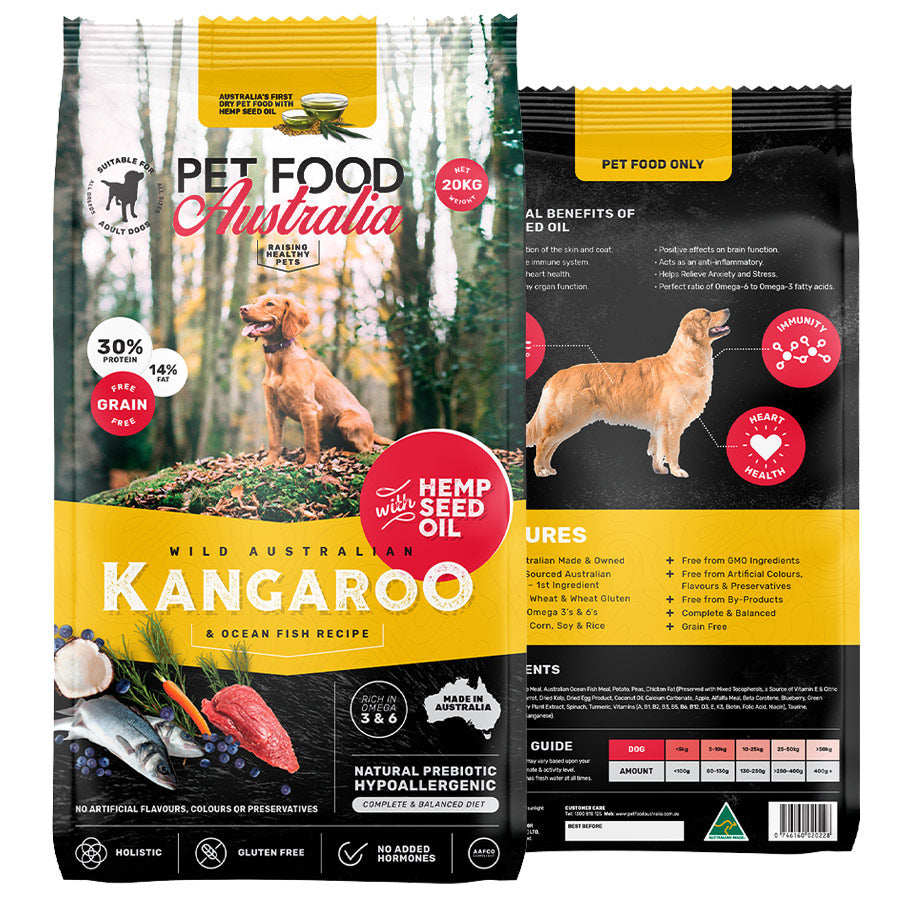
- kangaroo and ocean fish
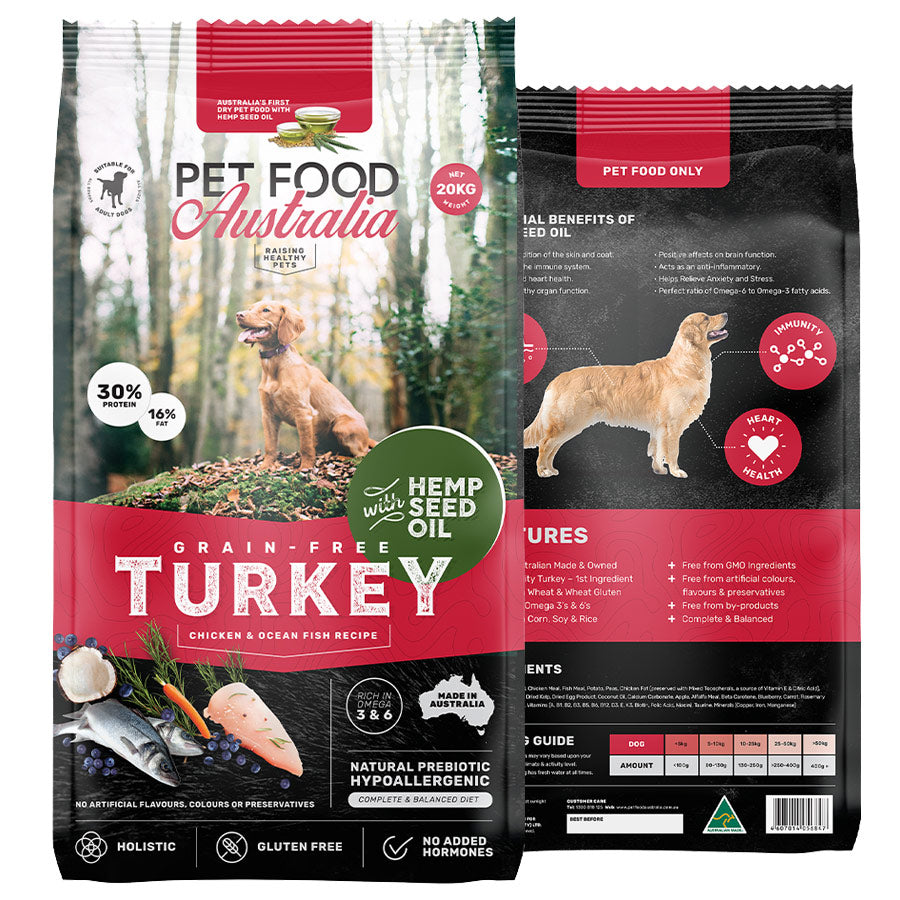
- turkey, chicken and ocean fish
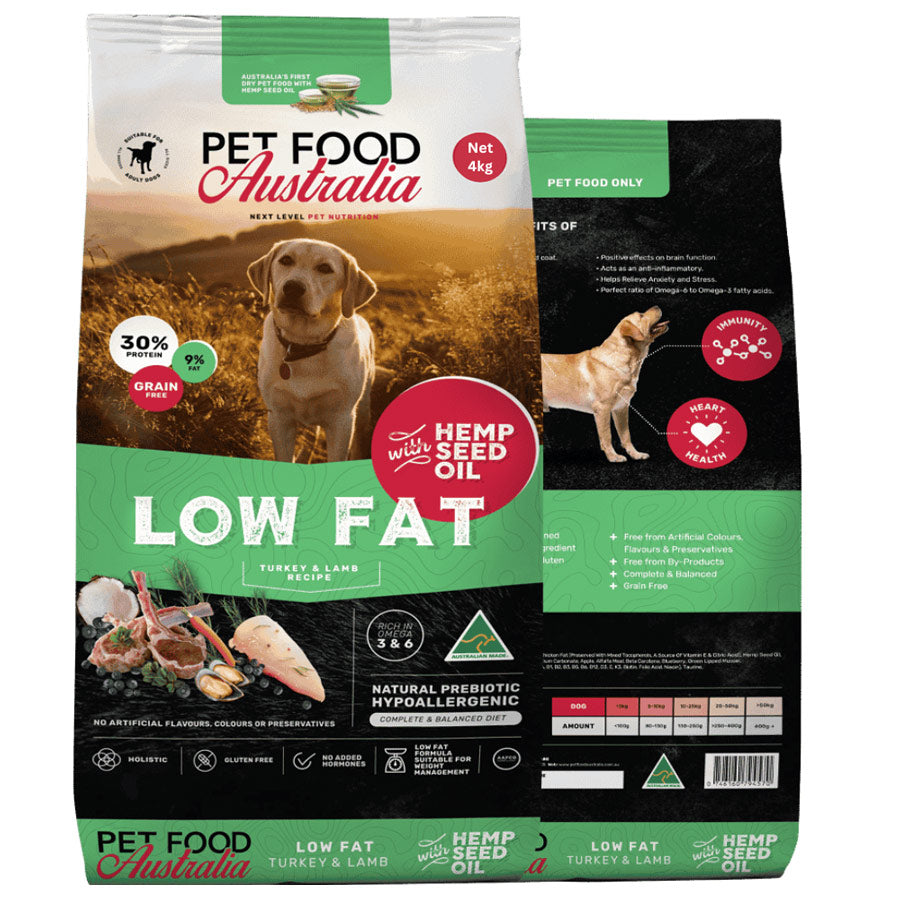
- turkey and lamb
- other specialised recipes
This gives owners flexibility without abandoning complete and balanced nutrition.
Kangaroo Can Be Particularly Appealing
Kangaroo can be useful not only as an alternative protein but also as a different flavour profile for dogs that have become bored with more familiar meats.
That does not mean every fussy dog needs kangaroo.
But for some dogs, changing the protein profile can make a noticeable difference to mealtime enthusiasm.
Could Digestive Comfort Be Part of Fussiness?
Absolutely.
A dog may appear “picky” if they associate a food with discomfort.
If a diet repeatedly causes:
- gas
- loose stools
- nausea
- bloating
- digestive upset
the dog may become reluctant to eat it.
That is different from behavioural fussiness.
This is why stool quality, appetite and digestive comfort should be considered together.
Watch the Whole Dog
When deciding whether a food is working, do not judge only by whether the bowl is empty.
Look at:
- appetite
- stools
- body condition
- energy
- coat
- skin
- weight
- comfort
- enthusiasm at mealtimes
A dog that eats enthusiastically but gains too much weight is not necessarily on the right feeding plan.
A dog that eats slightly less but maintains excellent body condition may be doing perfectly well.
When Should You Worry?
Reduced appetite deserves more attention if it is:
- sudden
- persistent
- accompanied by vomiting
- accompanied by diarrhoea
- associated with weight loss
- accompanied by lethargy
- associated with pain
- very different from the dog’s normal behaviour
A dog that suddenly refuses all food is different from a dog that selectively rejects one kibble while enthusiastically eating treats.
That distinction matters.
The First Rule for Fussy Eaters
Before changing food again, ask:
Is my dog actually hungry?
Then ask:
Am I accidentally rewarding refusal?
Then:
Does this food genuinely suit and appeal to my dog?
Those three questions solve a surprising number of feeding problems.
The Bottom Line
The best dog food for a fussy eater is not simply the richest or strongest-smelling food available.
It should be:
- complete and balanced
- highly palatable
- appropriate for the dog’s nutritional needs
- easy for the dog to digest
- fed in the correct amount
- consistent enough that the dog does not learn to wait for something better
And most importantly:
the dog should enjoy eating it and continue to thrive on it.

Once you know your dog is genuinely fussy rather than unwell, the next question is:
How do you actually get them eating consistently without making the fussiness worse?
The biggest mistake is usually reacting to every refused meal.
If the dog learns that refusing dinner produces:
- chicken
- cheese
- mince
- a new flavour
- extra treats
- hand-feeding
then refusing food can become very rewarding.
The goal is to make meals appealing, but also predictable.
Consistency Matters
Dogs are very good at learning routines.
If mealtimes are:
- roughly consistent
- portions are controlled
- treats are limited
- food does not keep changing
then many dogs become much more reliable eaters.
This does not mean forcing a dog to eat something they clearly dislike.
It means giving them a fair chance to settle into one complete diet.
How Long Should You Leave the Food Down?
For a healthy adult dog, leaving the bowl down for a limited period can help create a clear mealtime routine.
A practical approach is:
- put the meal down
- give the dog around 15–20 minutes
- remove the bowl if they walk away
- offer the next scheduled meal later
This can help distinguish between true hunger and learned selectivity.
The idea is not to punish the dog.
It is to stop turning meals into an all-day negotiation.
Should You Feed Once or Twice a Day?
For many adult dogs, either once- or twice-daily feeding can work.
The better option depends on:
- the dog
- household routine
- activity
- digestive tolerance
- total daily food intake
Fussy dogs often do well with measured meals rather than food left available all day.
Two meals can be useful because the dog gets regular opportunities to eat without grazing endlessly.
For some dogs, one larger meal suits them better.
The key is consistency and total daily intake.
Why Free Feeding Can Make Fussiness Worse
If food is available all day, the dog may nibble just enough to take the edge off hunger.
Then the owner sees poor enthusiasm at mealtimes and assumes the food is not appealing.
But the dog may simply never become properly hungry.
Measured feeding can make appetite much easier to interpret.
Treats Need to Be Counted
This is one of the biggest reasons dogs become “bad eaters.”
Owners often underestimate how much food comes from:
- training treats
- dental chews
- pieces of meat
- leftovers
- snacks from children
- food from another family member
A dog that receives a lot of extras may simply not need much dinner.
If you are trying to improve mealtime behaviour, reduce unnecessary extras first.
Use the Dog’s Own Food as Treats
This can be very effective.
Take part of the dog’s daily kibble allowance and use it for:
- training
- rewards
- enrichment
- walks
That means the dog still gets rewarded without adding lots of high-value food that competes with the main diet.
It also keeps total calories under better control.
Can Toppers Help?
Yes, but use them carefully.
A small topper can improve aroma and palatability.
Useful options may include:
- a little warm water
- a small amount of appropriate wet food
- a tiny amount of suitable meat
- a small amount of a dog-safe broth
But the topper should remain small.
If the dog learns that every refused meal receives a bigger and better topper, you can create the exact problem you are trying to solve.
Warm Water Is Often the Best First Step
Warm water is underrated.
It can:
- increase aroma
- soften kibble
- make the meal feel fresher
- help older dogs chew more easily
- encourage some reluctant eaters
And unlike rich toppers, it does not dramatically change the nutritional balance or calorie intake.
What If the Dog Refuses a New Food?
Do not immediately conclude the food is unsuitable.
Some dogs need time to accept:
- a different smell
- different kibble shape
- different texture
- different protein
A gradual transition is usually easier.
For example:
Days 1–2: mostly old food, small amount of new food
Days 3–4: increase the new food
Days 5–6: mostly new food
Day 7 onward: fully transitioned if everything is going well
Some fussy dogs may need even longer.
Avoid Changing Too Many Things at Once
If you are trying a new food, keep the rest of the diet simple.
Do not simultaneously introduce:
- new treats
- supplements
- chews
- toppers
- table scraps
Otherwise, if the dog suddenly eats better or develops digestive changes, you may have no idea what caused it.
Smell Is Extremely Important
Dogs experience food differently from humans.
Smell is a major part of appetite.
That means food storage can make a real difference.
Once a bag is opened, exposure to air can gradually affect aroma.
Store kibble:
- sealed
- cool
- dry
- away from direct sunlight
And avoid buying such a large bag that it stays open for an excessively long time if your dog is particularly sensitive to freshness.
Does Kibble Size Matter?
For some dogs, yes.
Small dogs may prefer smaller kibble.
Older dogs with dental problems may struggle with harder or larger pieces.
Other dogs enjoy crunching larger kibble.
There is no universal perfect size.
If a dog repeatedly spits pieces out or seems uncomfortable chewing, it is worth considering whether texture or dental health is contributing.
Dental Problems Can Look Like Fussiness
A dog with:
- broken teeth
- inflamed gums
- dental disease
- mouth pain
may approach food but hesitate to eat.
They may prefer:
- soft foods
- treats that require less chewing
- food from your hand
That can easily be mistaken for selective behaviour.
If a previously reliable eater suddenly becomes “fussy,” the mouth is worth considering.
Nausea Can Also Look Like Fussiness
Dogs with nausea may:
- sniff food then walk away
- lick their lips
- drool
- swallow repeatedly
- eat grass
- approach the bowl but refuse
That is different from a healthy dog simply holding out for something tastier.
Persistent behaviour like this deserves more attention.
Stress Can Affect Appetite
Some dogs eat less when:
- travelling
- boarding
- moving house
- staying somewhere unfamiliar
- another animal is nearby
- household routines change
A quiet, predictable feeding environment may help.
This is especially important in multi-dog households where one dog may feel rushed or intimidated around food.
Separate Dogs If Necessary
If one dog eats quickly while another is slow or fussy, feeding them together can create pressure.
Separate feeding areas can help the slower dog relax.
It also lets you see exactly how much each dog is eating.
Do Puzzle Feeders Help Fussy Dogs?
Sometimes.
Some dogs are more interested in food when it becomes an activity.
Using part of the daily allowance in:
- puzzle toys
- snuffle mats
- training
- scatter feeding
can increase engagement.
The important thing is that those calories still come from the measured daily allowance.
What About Hand-Feeding?
Hand-feeding can be useful temporarily.
It can help:
- nervous dogs
- dogs recovering confidence
- dogs during transition
- training
But if a dog becomes dependent on being hand-fed every meal, it can create another habit that is difficult to undo.
Use it as a tool, not necessarily a permanent feeding method.
Why Pet Food Australia Often Gets Strong Mealtime Feedback
One of the recurring things we hear from customers is that dogs who were previously difficult to feed become much more enthusiastic after switching.
Owners tell us their dogs:
- wait for meals
- finish the bowl
- stop needing toppers
- show more interest in food
- eat more consistently
That matters because fussy eating is one of those problems where real-world results are very visible.
The owner knows whether the dog is eating.
There is no complicated interpretation required.
Why Might a Dog Prefer One Formulation?
It can come down to a combination of:
- animal protein
- fat profile
- aroma
- texture
- freshness
- digestibility
- protein type
- overall ingredient balance
Sometimes the dog simply prefers the new recipe.
Other times, better digestive comfort may make them more willing to eat.
Kangaroo, Turkey, Fish and Different Taste Profiles
Different proteins create different aromas and flavours.
That is useful for fussy dogs because one recipe may appeal far more than another.
A dog bored with chicken may respond well to:
- kangaroo
- fish
- turkey
- another protein profile
That does not mean novelty is always necessary.
It means choice can help.
Do Not Confuse Variety With Constant Switching
There is a difference between:
having several good options
and
changing food every few days.
If your dog finds a complete food they eat happily and thrive on, consistency is usually more valuable than endless variety.
How Long Should You Give a New Food?
If the dog is otherwise healthy and eating enough, give the new food time.
Digestive adaptation can take several days.
Behavioural acceptance can take longer.
A useful trial is usually long enough to judge:
- appetite
- stool quality
- energy
- coat
- overall comfort
rather than deciding after one meal.
What If the Dog Only Eats When Very Hungry?
That can happen.
Some dogs are naturally less food-driven.
If the dog:
- maintains healthy weight
- has good energy
- produces normal stools
- is otherwise well
then they may simply not be an enthusiastic eater.
Not every dog needs to behave like a Labrador at dinner.
The goal is adequate nutrition, not theatrical excitement.
When Fussiness Is Actually Fine
A healthy dog does not have to finish every meal instantly.
Some dogs self-regulate better than others.
If body condition is ideal and the dog is healthy, occasional lower appetite may be normal.
The problem is persistent refusal or insufficient intake.
A Practical Routine for Fussy Dogs
A simple routine can work well:
- measure the daily amount
- feed at consistent times
- limit treats
- keep food fresh
- use warm water if needed
- remove the bowl after a reasonable period
- avoid constantly upgrading the meal
- monitor weight and body condition
Then give the routine time.
The Biggest Mistake to Avoid
Do not turn every refused meal into a crisis.
If the dog is healthy, dramatic reactions can accidentally teach them that refusal works.
Calm consistency is often far more effective.
The Bottom Line
Fussy eating is usually easier to manage when owners simplify the feeding routine.
The goal is:
a complete food the dog enjoys
fed in the right amount
at predictable times
without excessive extras
and without constantly rewarding refusal.

The best food for a fussy eater is not necessarily the richest food, the most expensive food or the one with the strongest smell.
It is the food that a dog:
- wants to eat
- digests well
- maintains good body condition on
- produces good stools on
- stays energetic on
- and can eat consistently as a complete diet
That is the real goal.
Is High-Protein Food Better for Fussy Dogs?
It can be.
Many dogs find diets with substantial animal protein highly appealing because protein and fat contribute strongly to flavour and aroma.
But high protein should not be used as a gimmick.
The whole formulation still matters.
A strong food for a fussy eater should combine:
- meaningful animal protein
- appropriate fat
- good palatability
- suitable energy density
- useful fibre
- complete vitamins and minerals
At Pet Food Australia, that is the way we think about it.
Protein matters, but it has to work with the rest of the recipe.
Does Grain-Free Help Fussy Dogs?
Sometimes, but not simply because the food is grain-free.
A grain-free formulation changes the overall ingredient profile.
That can alter:
- taste
- aroma
- texture
- protein combinations
- fat profile
- carbohydrate sources
- digestibility
Some dogs may strongly prefer one grain-free recipe over a conventional food.
But grain-free should not be treated as a guaranteed cure for fussiness.
The better question is:
Does this complete formulation appeal to my dog and suit them well?
Which Protein Is Best for a Fussy Dog?
There is no single answer.
Different dogs have different preferences.
Some may respond well to:
- kangaroo
- ocean fish
- turkey
- chicken
- lamb
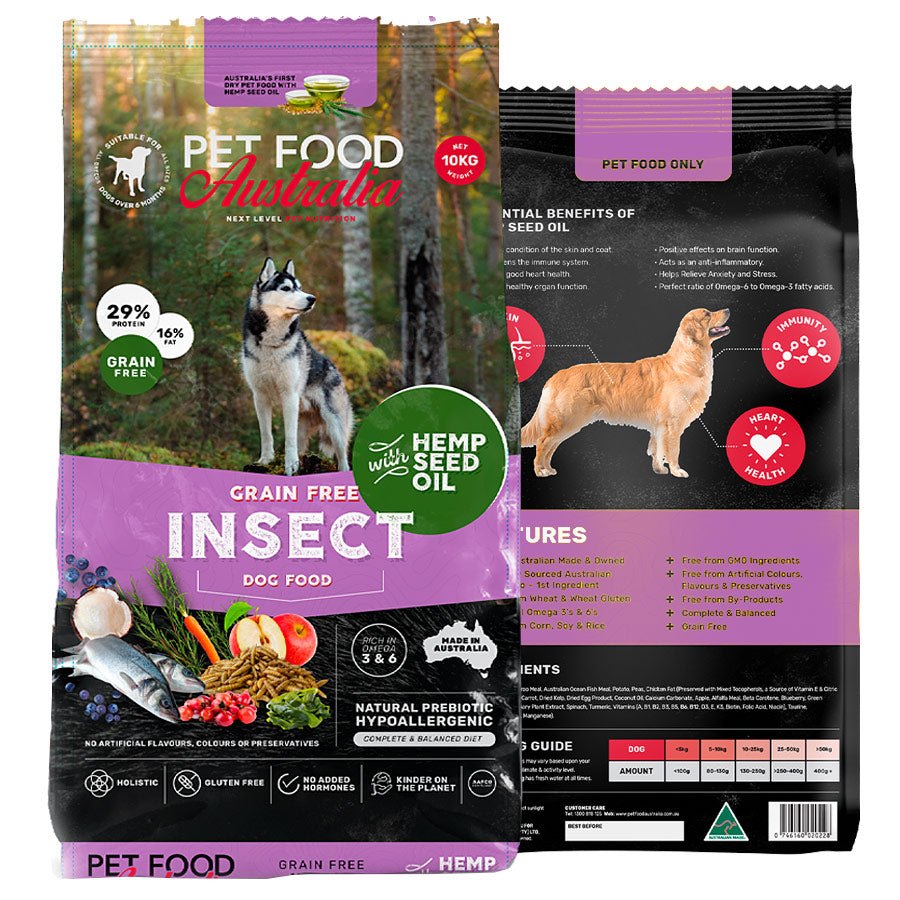
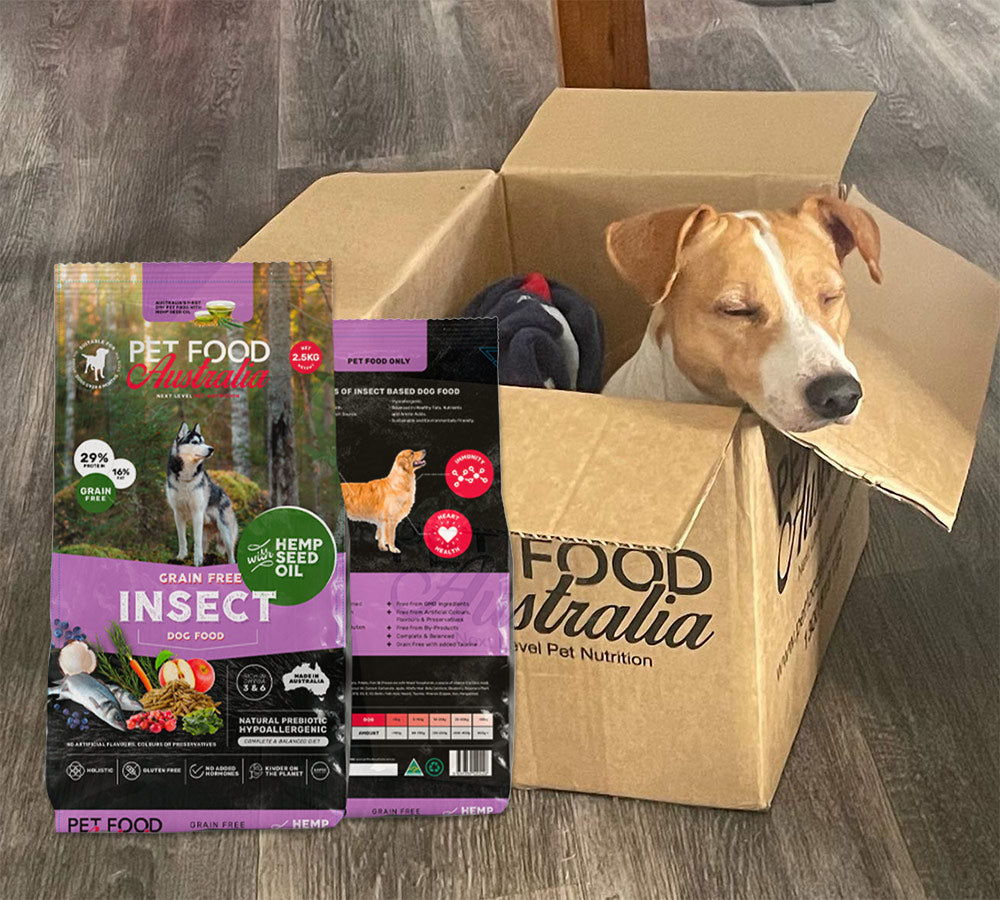
- insect protein
This is one of the reasons having different protein choices can be so useful.
A dog that has become bored or disinterested in one flavour profile may respond much better to another.
Why Kangaroo Can Be a Good Choice
Kangaroo has a distinctive flavour and can be appealing to dogs that are tired of more common proteins.
It is also a lean animal protein.
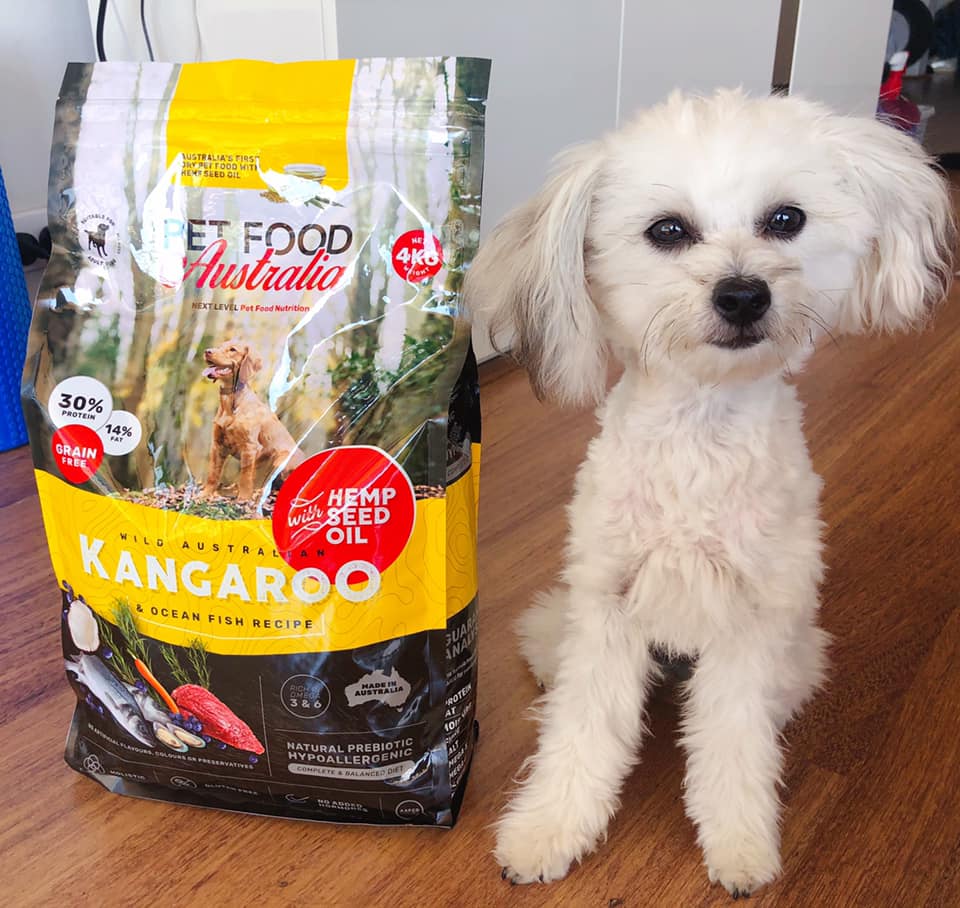
For some fussy dogs, Pet Food Australia’s Kangaroo & Ocean Fish formula becomes the first kibble they consistently eat without needing toppers.
We hear this kind of feedback regularly.
That does not mean every dog will prefer kangaroo.
It means it can be a very useful option when more familiar proteins have not created much enthusiasm.
Why Fish Can Help Palatability
Fish has a naturally strong aroma.
That can make fish-containing formulas particularly appealing to dogs that are driven strongly by smell.
Ocean fish also contributes useful fats and fatty acids within a complete formulation.
Again, the value is not one ingredient acting alone.
It is the combination of flavour, aroma, protein, fat and overall nutritional balance.
What About Turkey and Chicken?
Common proteins are common for a reason.
Many dogs enjoy them.
A dog does not need an exotic protein simply because it is fussy.
If turkey or chicken produces:
- strong appetite
- good stools
- healthy body condition
- good energy
there may be no reason to complicate things.
Novelty can help some dogs.
Consistency helps others.
Can Insect Protein Work for Fussy Dogs?
Potentially, yes.
Some dogs are surprisingly enthusiastic about insect-based diets.
For others, the unfamiliar aroma and taste may take longer to accept.
The important point is that insect protein gives owners another genuinely different option.
This can be particularly useful for dogs that have already tried several common proteins.
What Customer Results Tell Us
Fussy eating is one of the easiest outcomes for an owner to observe.
You either have a dog that:
- sniffs and walks away
- requires toppers
- needs coaxing
- eats only occasionally
or you have a dog that:
- waits for meals
- eats consistently
- finishes the bowl
- stops needing extras
Over the years, many Pet Food Australia customers have told us the change after switching was immediate or very noticeable.
They often tell us:
“This is the first kibble he actually eats.”
“She waits by the bowl now.”
“We stopped needing to add chicken.”
“He finishes every meal.”
That kind of feedback matters because it tells us the food is not just nutritionally sound on paper.
It is actually being accepted and enjoyed in the real world.
Why Real-World Proof Matters
A food can tick every technical box.
But if the dog refuses to eat it, the practical value is limited.
That is why palatability is not a superficial feature.
It is part of successful nutrition.
A complete food only works if the dog consistently consumes enough of it.
That is why customer experiences are useful evidence.
Not clinical proof.
But meaningful real-world proof.
The Whole Dog Still Matters
A fussy dog finally eating is a good sign.
But it is not the only sign.
You should also look at:
- body condition
- muscle
- stools
- coat
- skin
- energy
- digestive comfort
- weight stability
If the dog loves the food but gains excess weight, the portion needs attention.
If the dog eats enthusiastically but develops persistent digestive upset, the formula may not suit them.
The best outcome is:
good appetite plus good health.
Could Better Digestion Make a Dog Less Fussy?
Absolutely.
A dog that feels uncomfortable after eating may become reluctant to approach that food again.
If a new formulation results in:
- better stools
- less gas
- less bloating
- less digestive discomfort
the dog may naturally become more confident and enthusiastic at mealtimes.
This is one reason we do not separate palatability and digestive suitability completely.
Sometimes a dog eats better because the food simply makes them feel better.
How Can You Tell if a Dog Genuinely Prefers the Food?
Look for consistency.
A genuine preference usually looks like:
- regular interest at mealtimes
- eating without coaxing
- no need for constant toppers
- good intake over several weeks
- stable body condition
One enthusiastic meal proves very little.
A consistent pattern tells you much more.
How Can You Tell if the Dog Is Just Holding Out for Better Food?
Common clues include:
- refusing kibble but instantly eating treats
- waiting until toppers are added
- eating human food eagerly
- becoming more selective every time the meal is upgraded
- maintaining or gaining weight despite “barely eating”
That suggests behaviour may be playing a larger role.
In that situation, changing to another food every few days may make the problem worse.
Does a Fussy Dog Need More Variety?
Not necessarily.
Dogs do not require constant menu rotation for nutritional reasons if they are eating a complete and balanced diet.
Some dogs enjoy variety.
Others become fussier because they learn a better flavour may arrive tomorrow.
If your dog finds a food that suits them well, there is nothing wrong with consistency.
Why We Like Different Recipes Without Constant Rotation
There is a useful distinction here.
Having several formulas available gives owners choice.
It allows you to find:
the right fit
rather than constantly switching.
Once you find that fit, consistency can become part of the solution.
What If the Dog Stops Eating a Food They Previously Loved?
First look at the basics.
Has the food:
- become stale?
- been stored differently?
- changed smell?
- been exposed to heat or moisture?
Then look at the dog.
Are there:
- dental problems?
- nausea?
- digestive changes?
- stress?
- medication changes?
- reduced activity?
- illness?
A sudden change in appetite deserves more attention than lifelong fussiness.
When Should Fussiness Be Investigated?
Speak with your veterinarian if reduced appetite is:
- sudden
- persistent
- associated with weight loss
- accompanied by vomiting
- accompanied by diarrhoea
- accompanied by lethargy
- associated with pain
- accompanied by major changes in thirst
- very different from the dog’s normal behaviour
A dog refusing one food but happily eating everything else is different from a dog refusing all food.
What About Senior Dogs?
Older dogs may become fussier because of:
- reduced smell
- dental disease
- nausea
- medication
- changing energy needs
- discomfort
Warm water can sometimes help increase aroma and soften kibble.
But a significant new appetite change in an older dog should not simply be dismissed as ageing.
What About Puppies?
Puppies can occasionally go through selective phases too.
But growing dogs have higher nutritional demands.
They should not be allowed to live mainly on treats, toppers or unbalanced human food simply because those foods are easier to persuade them to eat.
The complete growth diet needs to remain the foundation.
Can You Make Kibble More Appealing Without Ruining the Diet?
Yes.
Start with the least complicated options:
- fresh food
- clean bowl
- warm water
- correct storage
- consistent meal timing
Only then consider a small topper if needed.
The more complicated the bowl becomes, the harder it can be to know whether the dog actually likes the underlying food.
What Is the Best Dog Food for a Fussy Eater?
The best food is one that combines:
high palatability
meaningful animal protein
appropriate fat
good digestibility
complete and balanced nutrition
a flavour profile the individual dog enjoys
and
real-world results that show the dog thrives on it.
That is the standard we believe matters.

Why Pet Food Australia Is Worth Considering for Fussy Dogs
Pet Food Australia offers different grain-free protein profiles rather than relying on one universal recipe.
That gives owners options including:
- Kangaroo & Ocean Fish
- Turkey, Chicken & Ocean Fish
- Turkey & Lamb Low Fat
- specialised alternative-protein options
And one of the strongest pieces of feedback we repeatedly receive is simply:
the dogs want to eat it.
That matters enormously.
A food that supports good nutrition but also creates genuine enthusiasm at mealtimes can make life much easier for owners who have spent months negotiating every bowl.
Real Dogs Are the Proof
We have had customers come to us after trying multiple foods.
Their dogs had:
- refused kibble
- needed constant toppers
- eaten only when hand-fed
- become increasingly selective
Then the owner switches to Pet Food Australia and tells us:
“They just eat.”
That may sound simple.
But for someone who has struggled at every mealtime, it can be a huge change.
And when that improved appetite appears alongside:
- better stools
- good energy
- healthier coat
- appropriate body condition
the result becomes much more meaningful.
Frequently Asked Questions About Fussy Dogs
What is the best protein for a fussy dog?
There is no universal best protein.
Kangaroo, fish, turkey, chicken, lamb and insect protein can all work well depending on the individual dog.
Is grain-free food better for picky dogs?
Not automatically.
Some dogs may prefer a particular grain-free formulation, but the overall recipe and palatability matter more than the absence of grain alone.
Should I add wet food to dry food?
You can, but count it as part of the total diet and avoid teaching the dog that refusing plain food always produces an upgrade.
Is it okay to add warm water to kibble?
Yes. Warm water can increase aroma and soften the food without adding significant calories.
Should I leave food down all day?
For many fussy dogs, measured meals and a consistent routine work better than unlimited grazing.
How long should I leave the bowl down?
For a healthy adult dog, around 15–20 minutes is a practical starting point before removing an uneaten meal.
Should I keep changing foods if my dog gets bored?
Not necessarily. Constant switching can reinforce fussiness.
Why will my dog eat treats but not dinner?
Often because treats are more exciting, or because the dog has learned that refusing dinner produces something better.
Can overfeeding make a dog seem fussy?
Absolutely. A dog consuming enough calories from treats, chews and extras may simply not be hungry.
When should I worry about my dog not eating?
If appetite drops suddenly, persists, or is accompanied by illness, pain, vomiting, diarrhoea, lethargy or weight loss, it deserves veterinary attention.
The Bottom Line
Fussy eating does not always require a more elaborate bowl.
Sometimes the solution is simpler:
better food
better routine
fewer extras
the right portion
and consistency.
The best dog food for a fussy eater is ultimately one the dog wants to eat and continues to thrive on.
When the bowl starts being finished without negotiation, the stools are good, body condition is right and the dog looks healthy and energetic, that is the outcome that matters most.